What We Don’t See Now but Will Notice in 30 Years
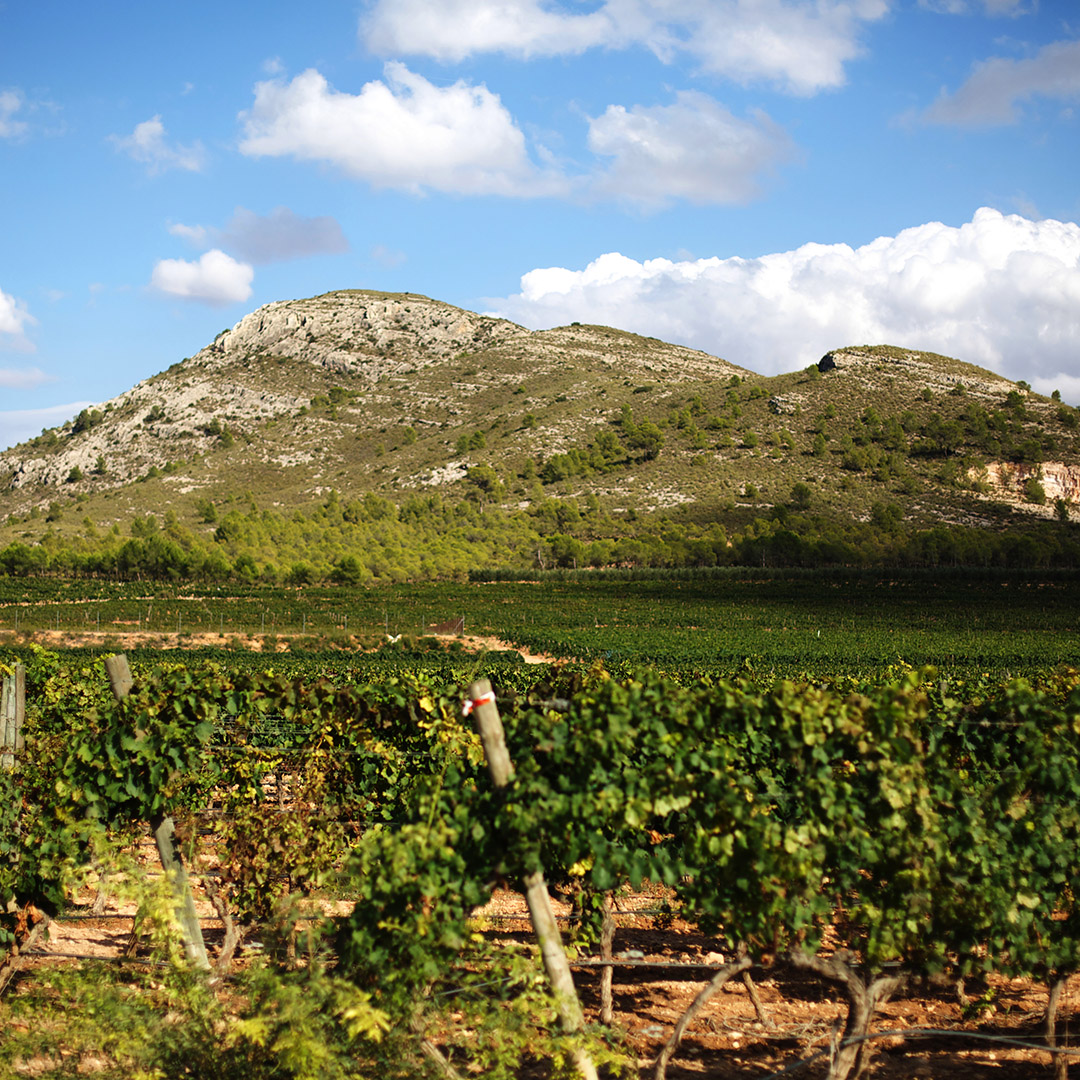
It’s summer, the perfect season to enjoy a well-deserved vacation (more deserved than ever). But we are vintners, and as you know, there are few moments to rest. For now, we have to wait, as it’s time to prepare the land for new plantations at our Finca El Chaconero in Villena.
Generally speaking, people tend to focus more on the things we see than on those we simply know. And in viticulture, this is often the case as well.
We often become obsessed with the orientation of the vineyards, the varieties based on market trends, less productive clones, planting patterns, drip irrigation as a qualitative tool, non-aggressive pruning, the foliage as a photosynthetic engine, and so on. However, in a world where everything revolves around the short term, we fail to give enough importance to cultivating long-lived vineyards.
Yes, it’s true that we’ve deeply ingrained the idea that people need to age healthily, but what about vineyards? Don’t they also deserve a vigorous and robust life? One of the main threats to mature vineyards is root asphyxia. By the time a vineyard reaches 30 years, the plots experience biological regression.
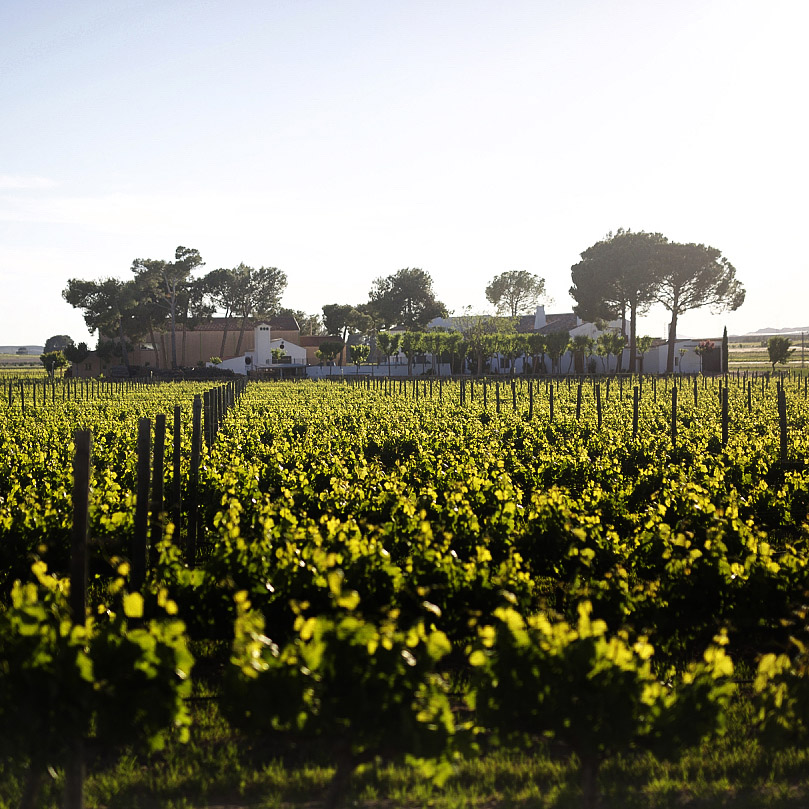
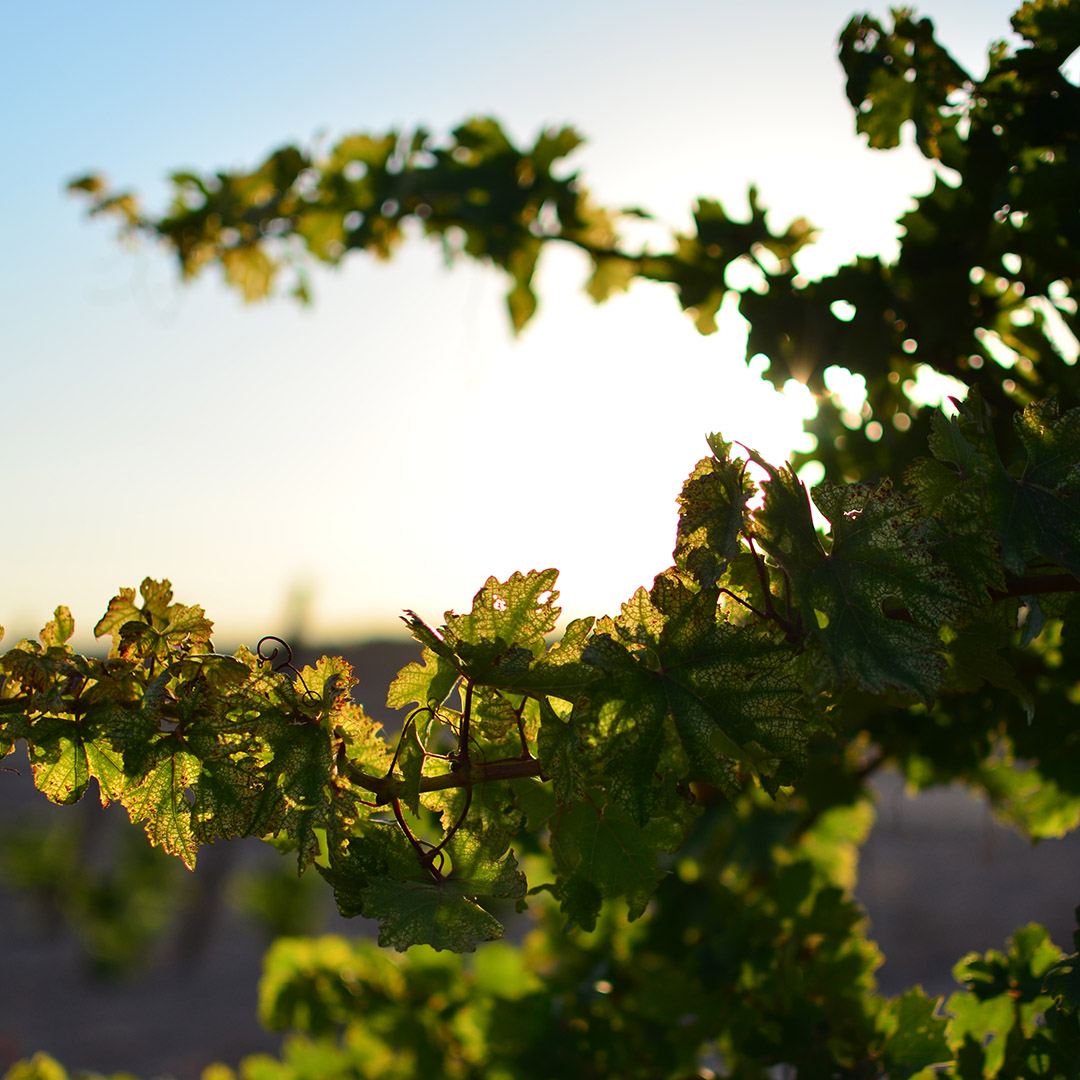
That’s why, at Bodegas Mendoza, we understand that the summer season is crucial for achieving a healthy and long-lived vineyard. This period allows for better soil fracturing, creating fine channels that facilitate excellent root penetration. In the fallow plots, it’s the time to “plow deeply” – now is the moment to gently work the subsoil with tools reaching 1.20 meters deep. This will promote the development of the root system and increase soil permeability so that the plants become self-sufficient once the plantation is established. This is about taking care of our vines even before they are born.
The soil must have enough depth for the vine’s root system to access a sufficient volume of earth that provides the necessary nutrients and water for its development. The greater the volume of soil explored by the roots, the higher the availability of nutrients, minerals, and water for the vine. Consequently, this improves the vineyard’s health, longevity, and, of course, its fruit and resulting wines. If the work is done correctly, the plant, even in dry conditions, will be able to withstand the 40ºC+ temperatures of August. On the other hand, if the deep plowing has not been as thorough as it should have been, even with the aid of drip irrigation, the vine will suffer the dreaded water stress (when its water demand exceeds its supply), halting its photosynthesis.
In years with lower rainfall, given our close proximity to the Mediterranean Sea, we can better evaluate whether the deep plowing of the plots was done properly. The more superficial roots will experience water stress, while those with the ability to grow deeper and more extensively will endure more summers and thrive in better conditions.
Due to the critical importance of effective deep plowing for ensuring the best possible future for the vineyard, at Bodegas Mendoza—and specifically at our Finca El Chaconero in Villena—we dedicate the summer to this task. While it has little immediate impact on the vineyard’s appearance, it is essential for its long-term development. As the renowned French writer Antoine de Saint-Exupéry once said: “What is essential is invisible to the eye.”
Happy holidays!!!