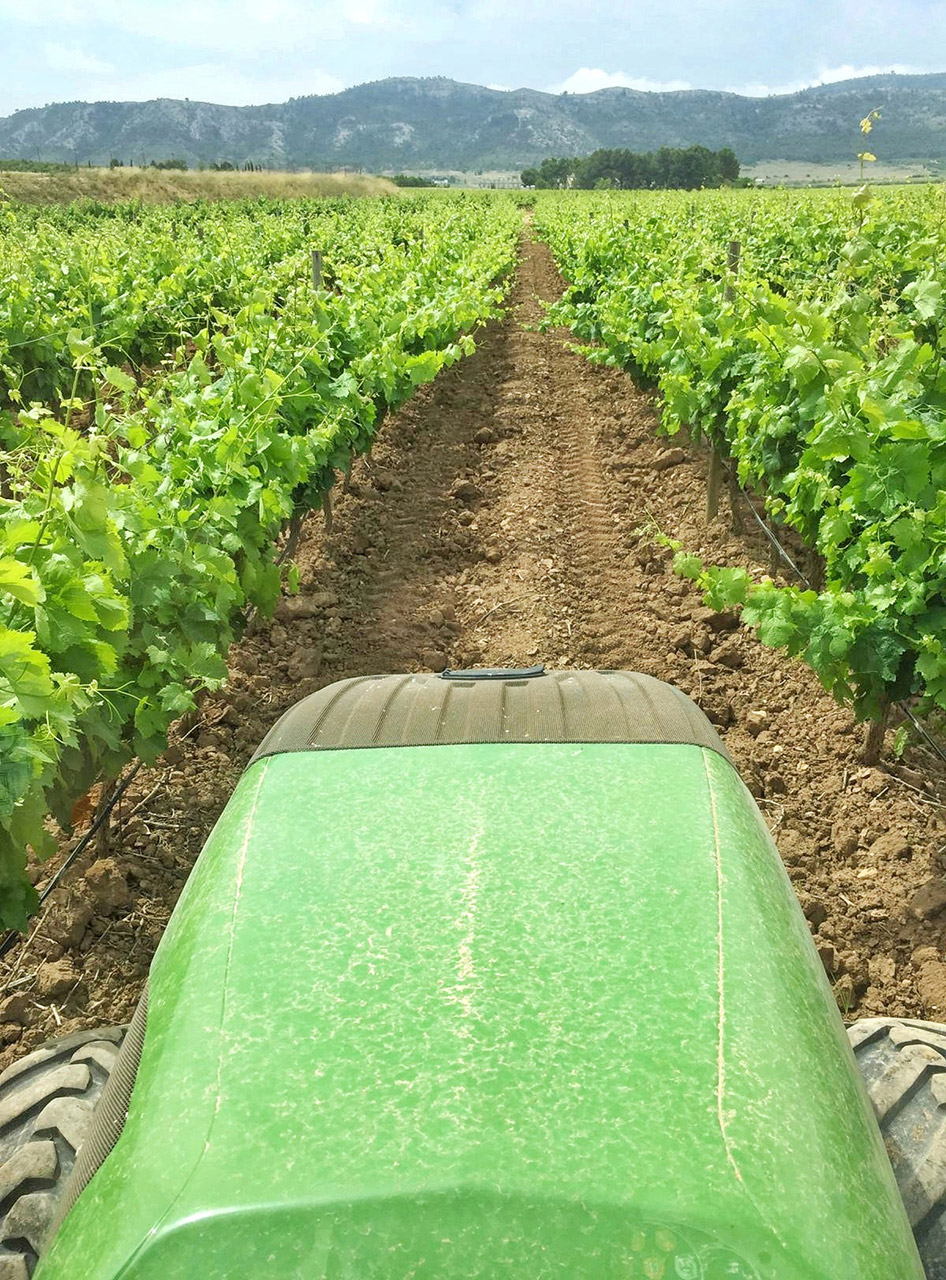
Our Response from the Vineyard
Climate change is no longer a distant concern, it is a reality, and its effects are becoming increasingly evident in the field. In viticulture, these changes are transforming the way we understand and manage our vineyards. Rising temperatures, more frequent heatwaves, and increasingly irregular rainfall patterns present new challenges for those of us who live and work closely with the vine.
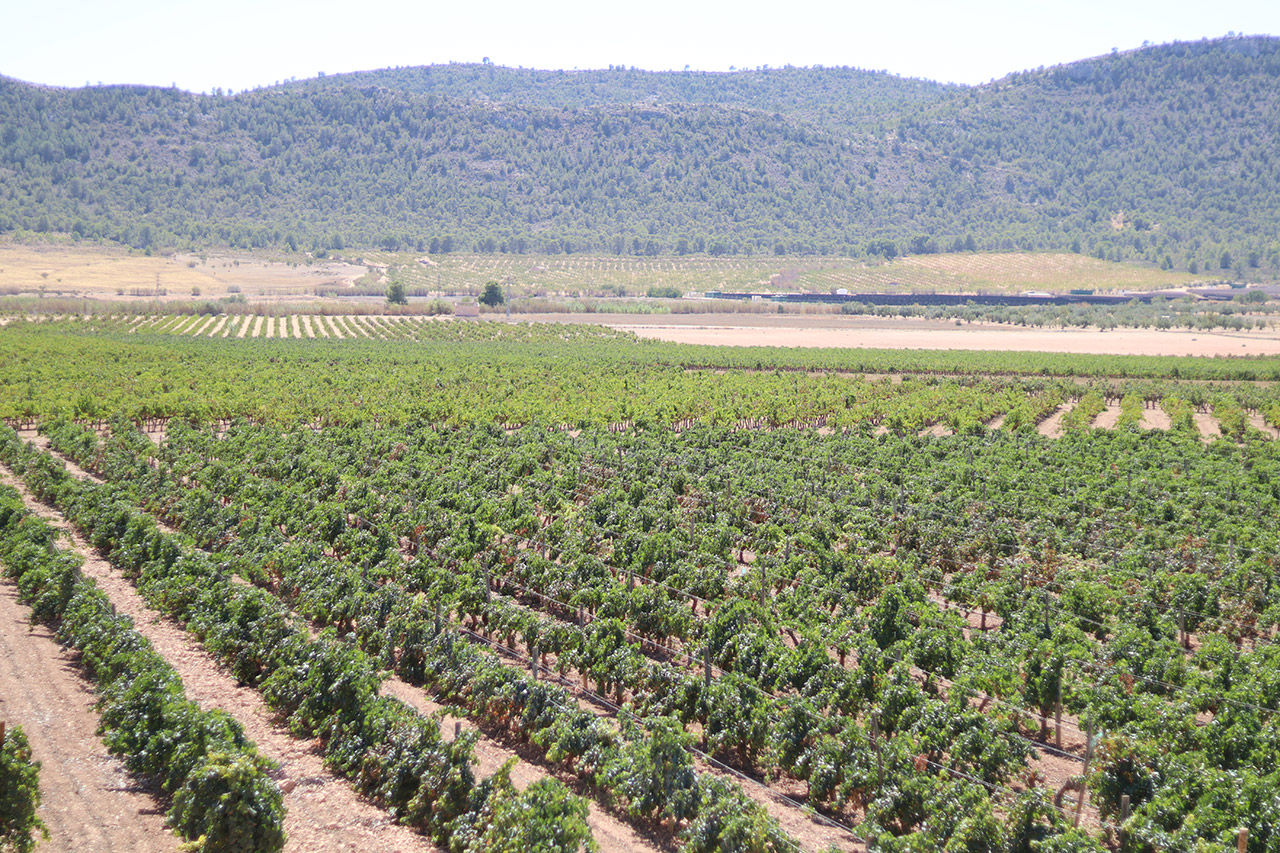
At Bodegas Enrique Mendoza, we have been cultivating vineyards in the inland region of Alicante for more than three decades. During this time, our team has learned that careful observation of the vineyard is essential to understanding its needs and anticipating change. Today, we are witnessing first-hand how the climate is altering the natural rhythms of the vine.
One of the most noticeable effects we have observed is the gradual advance of the harvest season. Year after year, higher temperatures and the earlier arrival of warm weather during the growing cycle accelerate grape ripening, requiring us to adapt our work in order to preserve the balance and quality we seek in every one of our wines.
In response to these challenges, at Bodegas Enrique Mendoza we believe the best approach is to combine the experience gained over many years with a forward-looking mindset. By adopting practices that strengthen the resilience of our vineyards, we aim to adapt to a changing climate while preserving the character and identity that define our wines.
Choosing Monastrell, a Variety That Is Part of Our Identity
One of the most important decisions we have made has been to adapt our varietal strategy. During the early years of the winery, we worked primarily with international grape varieties. Over time, however, we have strengthened our commitment to Monastrell, the native grape variety that best represents our region.
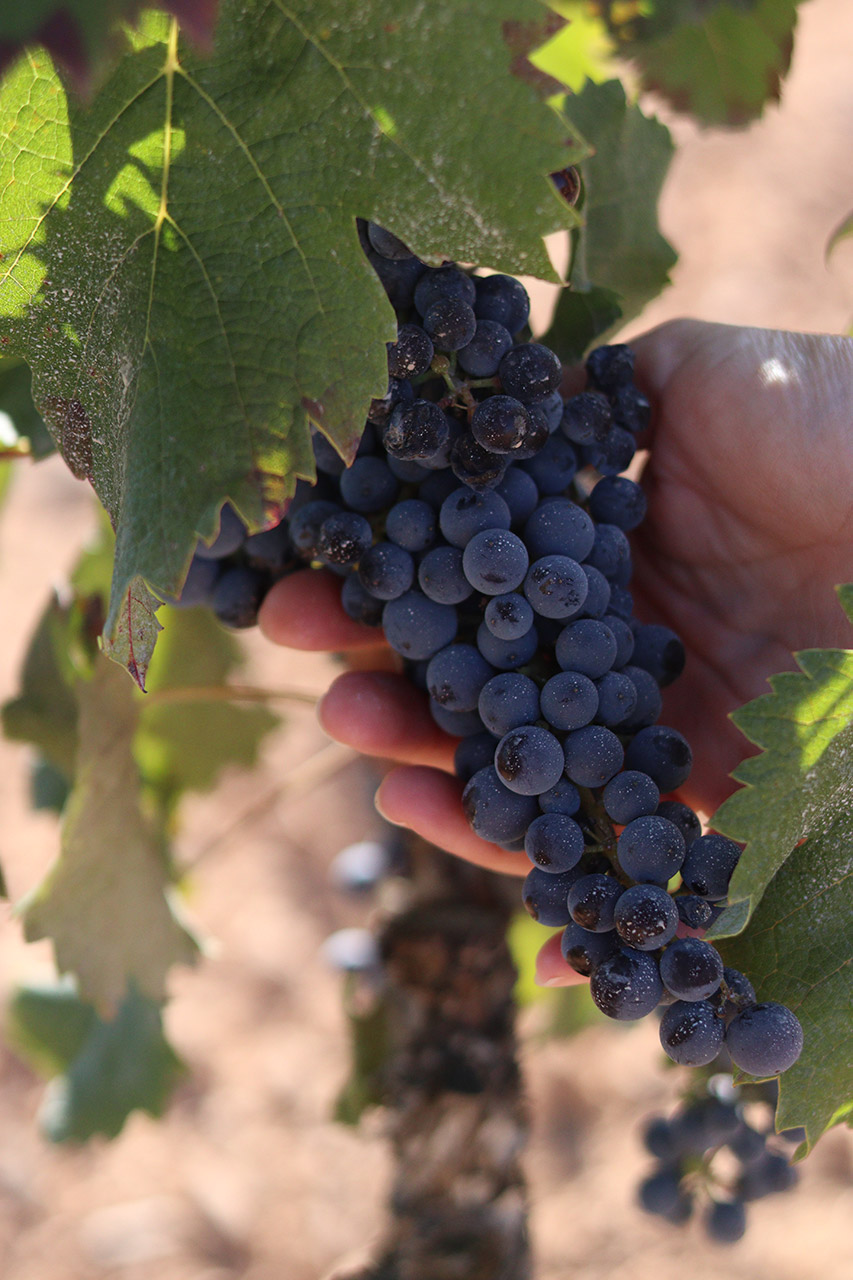
Our technical team has seen first-hand how exceptionally well this variety adapts to Mediterranean conditions. Its ability to withstand high temperatures and prolonged periods of drought makes it an invaluable ally in meeting the challenges posed by climate change.
Monastrell also enables us to craft wines that authentically express the character of our terroir. Choosing this variety is also a way of honoring our roots and celebrating the rich winemaking heritage that defines who we are.
Preserving Bush Vines and Low-Density Planting: Learning from the Vineyard’s Wisdom
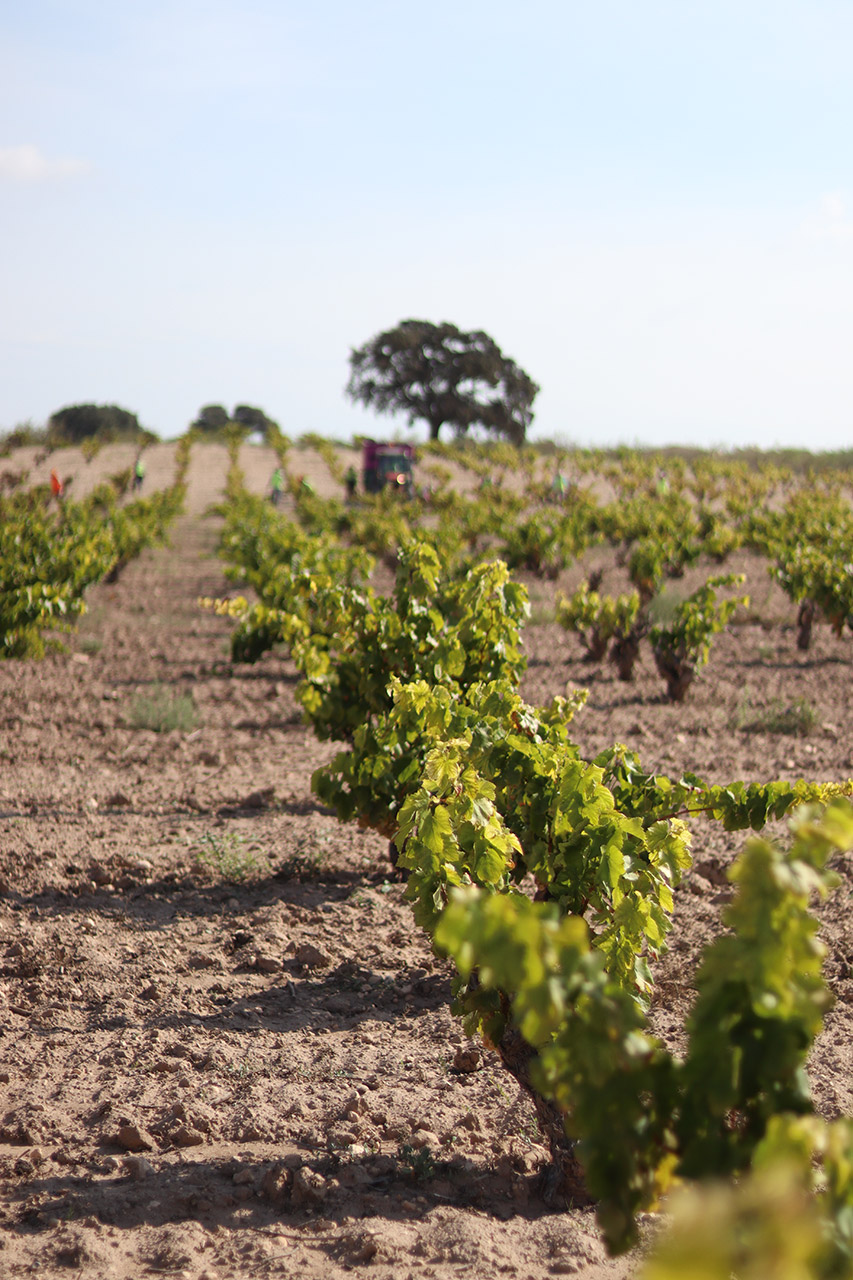
Another practice we continue to uphold is bush vine training (en vaso), the traditional vine-growing system of our region.
Experience has shown us that many of the techniques developed by generations of vine growers remain just as relevant today. The natural structure of bush-trained vines helps protect grape clusters from direct sun exposure, reducing heat stress and encouraging a more balanced ripening process during periods of intense heat and limited water availability.
Likewise, low-density planting allows each vine to make better use of the available resources by reducing competition for water and lowering the vineyard’s overall water requirements.
At Bodegas Enrique Mendoza, we believe that moving forward also means preserving what time has proven to work. Tradition and accumulated knowledge remain essential tools for addressing the challenges of modern viticulture.
Caring for the Soil Means Caring for the Vineyard
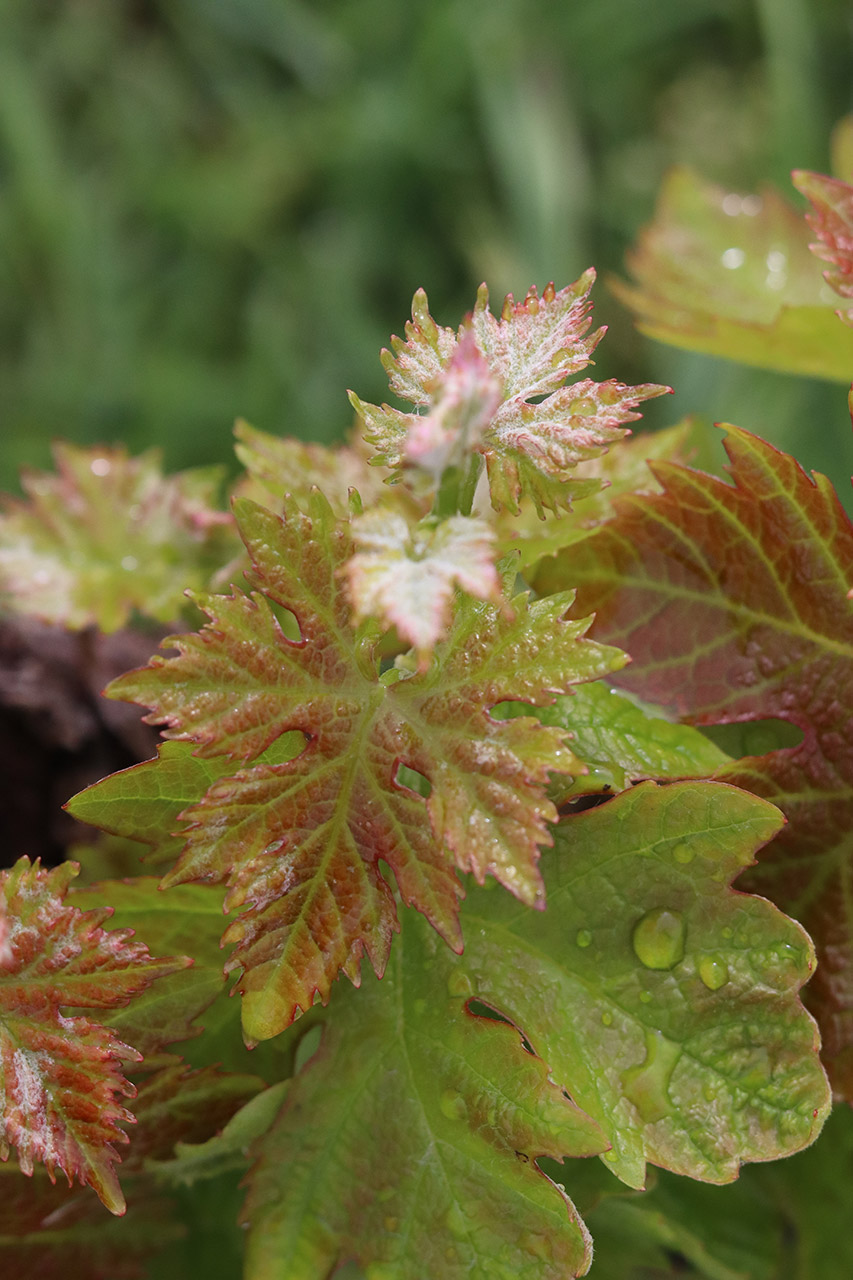
Healthy soil is one of the vineyard’s greatest allies in coping with increasingly extreme climatic conditions. For this reason, we devote particular attention to their conservation and improvement through practices that promote long-term balance and fertility.
One of these practices is regular soil plowing, which keeps the surface loose and well aerated. This helps break up the crust that can form after rainfall, allowing water to infiltrate the soil more effectively and become available to the vine’s roots. It also improves soil ventilation and encourages the biological activity taking place beneath our feet. As an old saying from Villena goes: “Every pass of the plough carries a drop of water.”
This work is complemented by the application of organic manuring, a key contribution to natural soil enrichment. Organic matter improves soil structure, increases its ability to retain both water and nutrients, and stimulates the microbial life that is essential for maintaining a living, fertile soil.
Together, these practices create a healthier, more resilient environment for our vines, enabling them to better withstand drought and the challenges associated with climate change.
Efficient Water Management: Technology and Responsibility
Water management has become one of the greatest challenges facing Mediterranean viticulture. In a region increasingly affected by water scarcity and irregular rainfall, using this precious resource responsibly is essential to ensuring the long-term sustainability of our vineyards.
At Bodegas Enrique Mendoza, we optimise water use through a range of initiatives. Since the 2020 vintage, we have treated 100% of the water used during the winemaking process at our Villena winery using our own wastewater treatment plant. This system allows us to return treated water to the Castellar aquifer, on which our estate is located, contributing to the recovery of a groundwater body that was declared at risk by the Júcar River Basin Authority due to declining water levels.
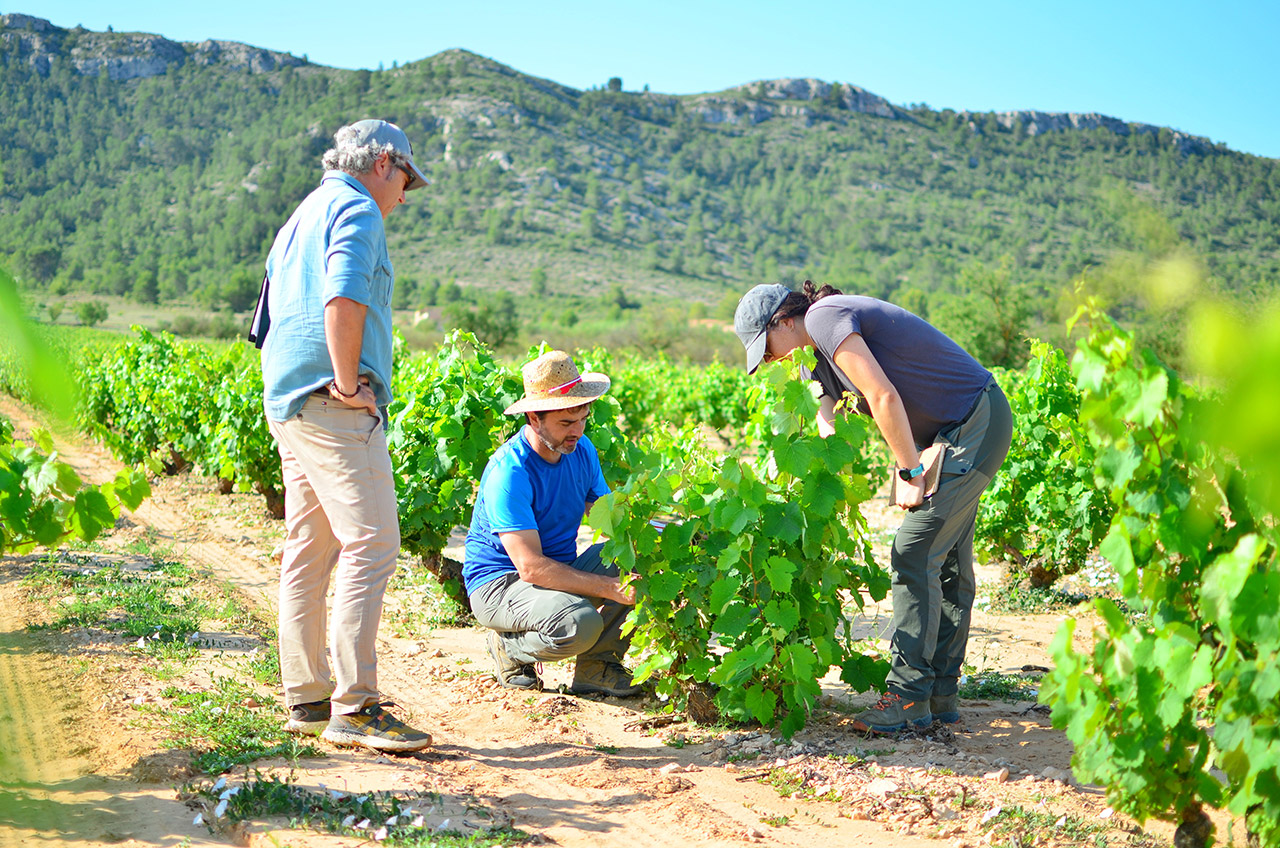
At the same time, we have become pioneers in the use of Agri-technology and precision viticulture to better understand the real needs of our vines. Weather stations, soil humidity sensors installed across different vineyard blocks, and dendrometers that monitor vine growth provide us with detailed information about vineyard conditions and the water stress experienced by each plant.
These technologies do not replace experience or direct observation in the vineyard, but they do enable us to make more accurate and informed decisions. Our goal is not to maximize production, but to achieve the right balance to produce grapes with greater concentration, structure, aromatic complexity and character.
We believe that every drop of water matters. That is why we combine cutting-edge technology with the knowledge gained through decades of experience in the vineyard, always striving to use this vital resource as efficiently and responsibly as possible.
Promoting Biodiversity as Part of Nature’s Balance
More recently, we have planted trees in selected vineyard parcels to create areas of shade and encourage greater biodiversity throughout the vineyard environment.
This initiative aims to create more balanced microclimates, reduce heat stress on the vines, and encourage the presence of beneficial wildlife that contributes to a healthy ecosystem.
For us, the vineyard is far more than a crop. It is a living environment where every element plays an important role. Protecting this biodiversity is an integral part of our philosophy and reflects our ongoing commitment to the landscape that surrounds us.
Adapting to Preserve Who We Are
Climate change is one of the greatest challenges facing modern viticulture. At the same time, it offers us an opportunity to evolve and continue learning.
At Bodegas Enrique Mendoza, we face this challenge with responsibility and a deep commitment to our land. Adapting does not mean giving up our identity, it means protecting it. Advocating for native varieties such as Monastrell, preserving traditional practices like bush vine training, caring for our soils, and promoting biodiversity are all decisions aimed at safeguarding the future of our vineyards.
Behind every bottle is a team of people who work every day with respect for the environment and a shared passion for producing wines that truly express the essence of Alicante and the Mediterranean.
Because caring for the land today is also a way of ensuring that future generations can continue to enjoy our landscapes, our vineyards, and wines that speak honestly of the place they come from.