When the Silence of the Vineyard Decides the Future
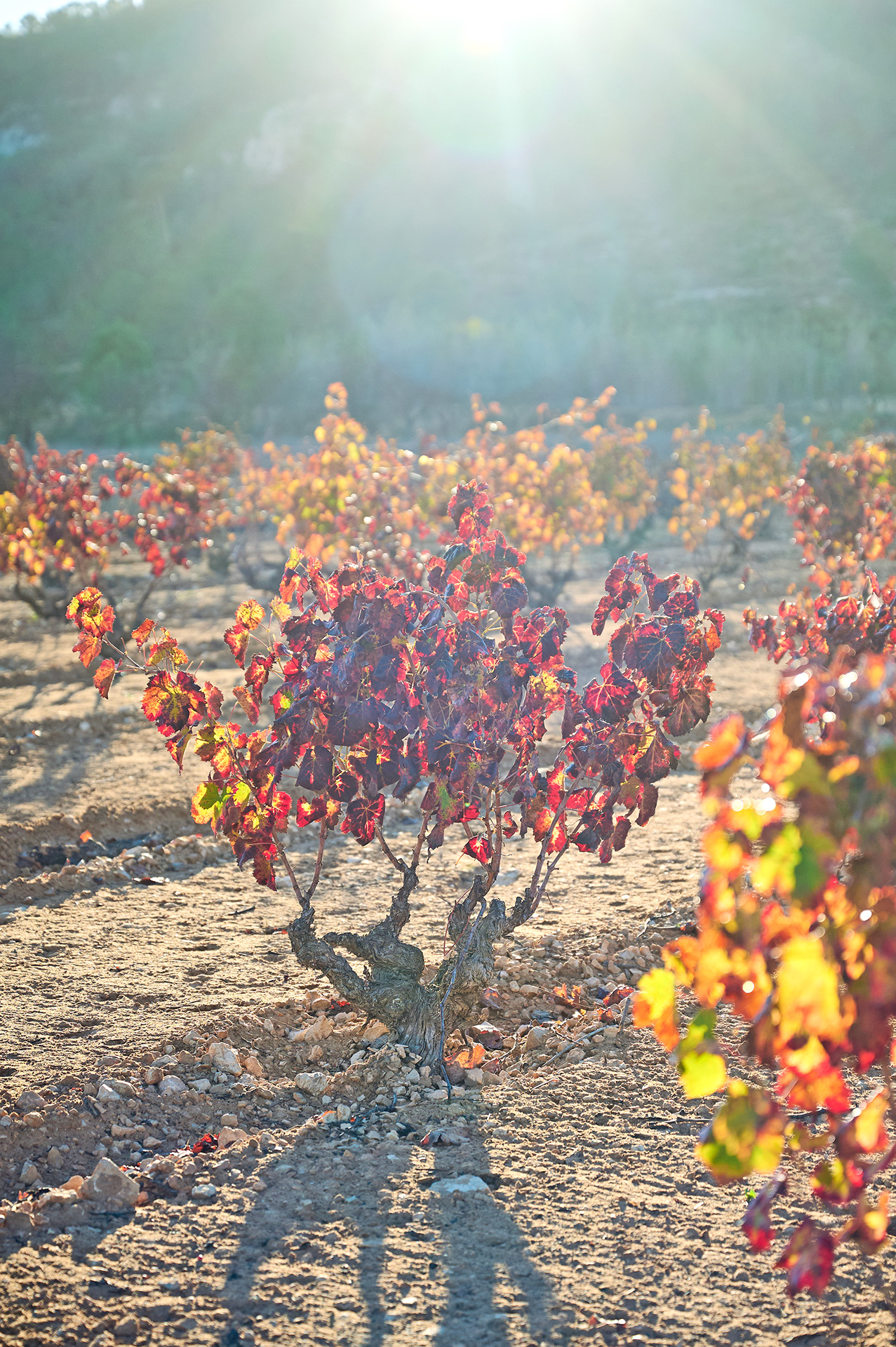
In winter, the vineyard seems to come to a standstill. The leaves have fallen, the canes have hardened, and the landscape adopts an almost austere serenity. However, beneath this appearance of stillness, one of the most decisive actions for the next harvest takes place: pruning.
It is now, while the vine rests, that this fundamental work begins. A gesture that seems simple -scissors in hand, precise cut- but in reality defines the balance, personality, and character of the coming vintage.
At Bodegas Enrique Mendoza, pruning is not a routine. It is a commitment to each vine and to the wine that does not yet exist but is already beginning to take shape.
1. Listening Before Cutting
Before making the first cut, we observe.
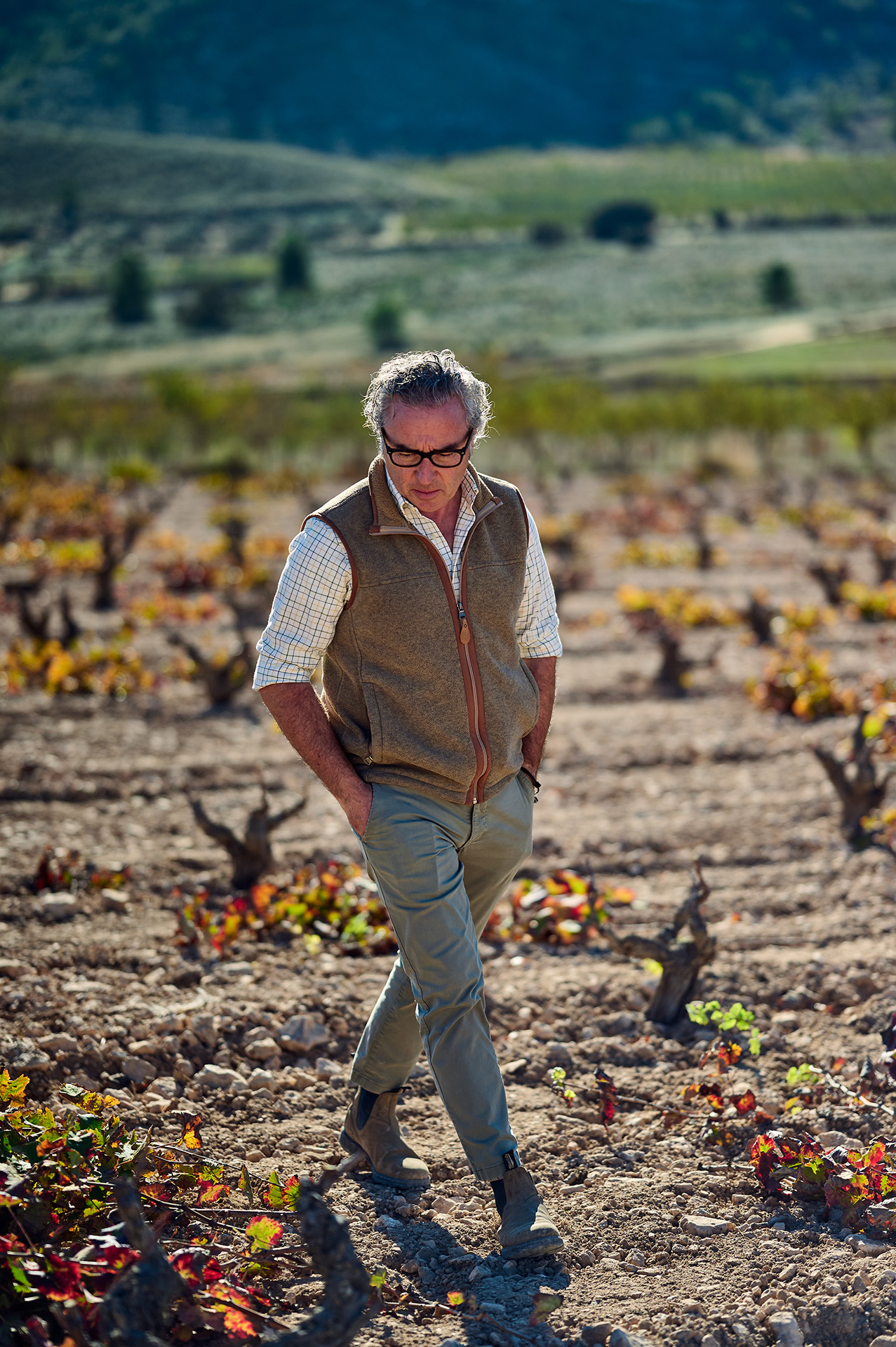
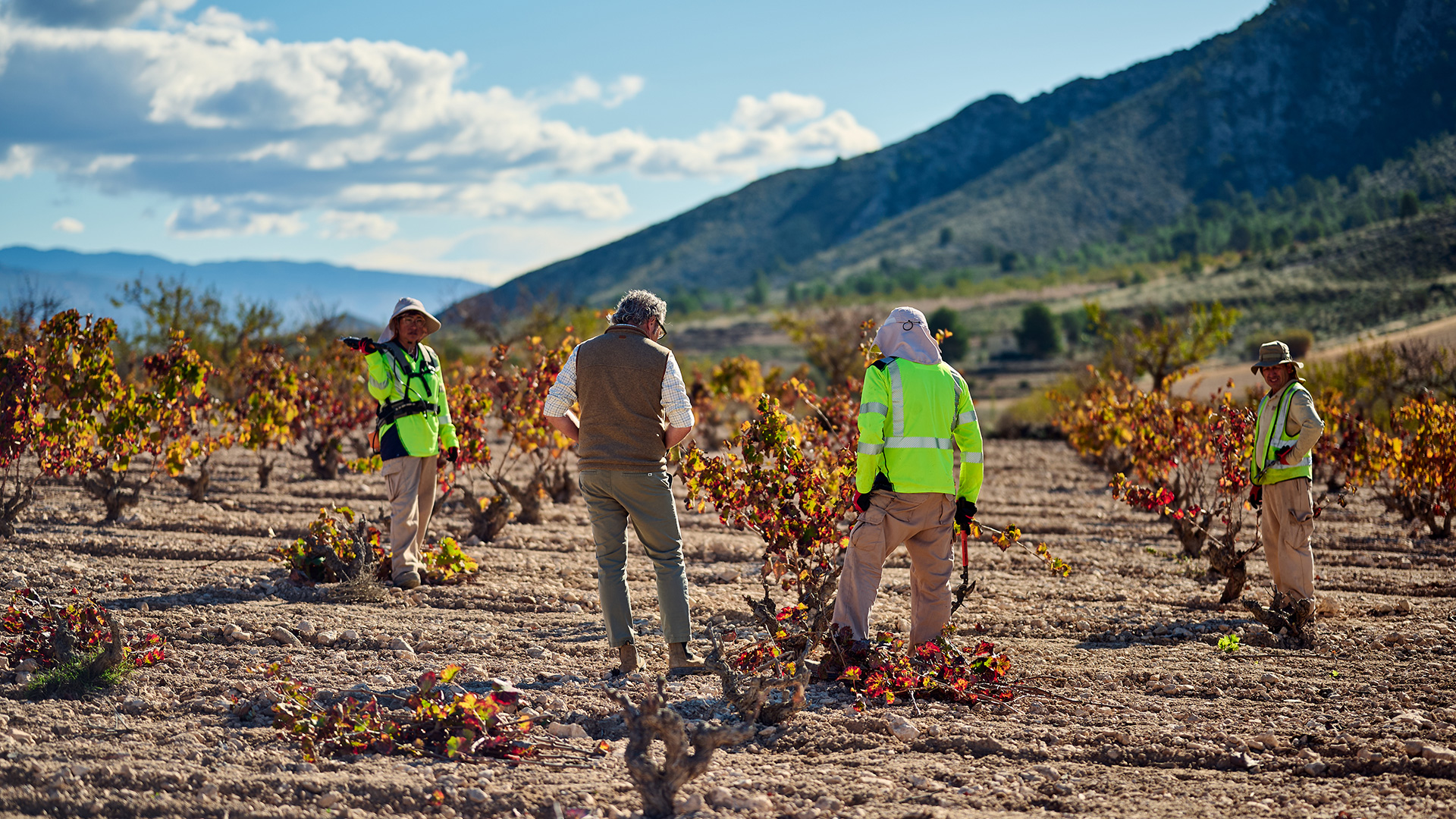
Each vine has lived through a different year. Some have shown greater vigor, others have endured more heat or wind. Our team walks through the vineyard with attentive eyes, interpreting the wood, the thickness of the canes, and the arrangement of the arms.
Pruning is not about imposing; it is about dialoguing with the vine.
Choosing which arms to preserve, which spurs to leave, how many buds will allow the plant to grow in balance when spring arrives. In every cut there is knowledge, experience, and a clear vision of the wine yet to come.
2. Seeking the Vine’s Natural Balance
Pruning regulates the productive load. If we leave too many buds, the plant disperses its energy. If we leave too few, it may concentrate it excessively.
The goal is not to produce more, but to produce better.
In our vineyards, we work so that each vine maintains its natural harmony, encouraging slow and even ripening. Because balance in the vineyard translates, months later, into balance in the glass.
3. Protecting the Health of the Vine
Winter is the ideal moment: the sap is at rest and low temperatures reduce the risk of infection.
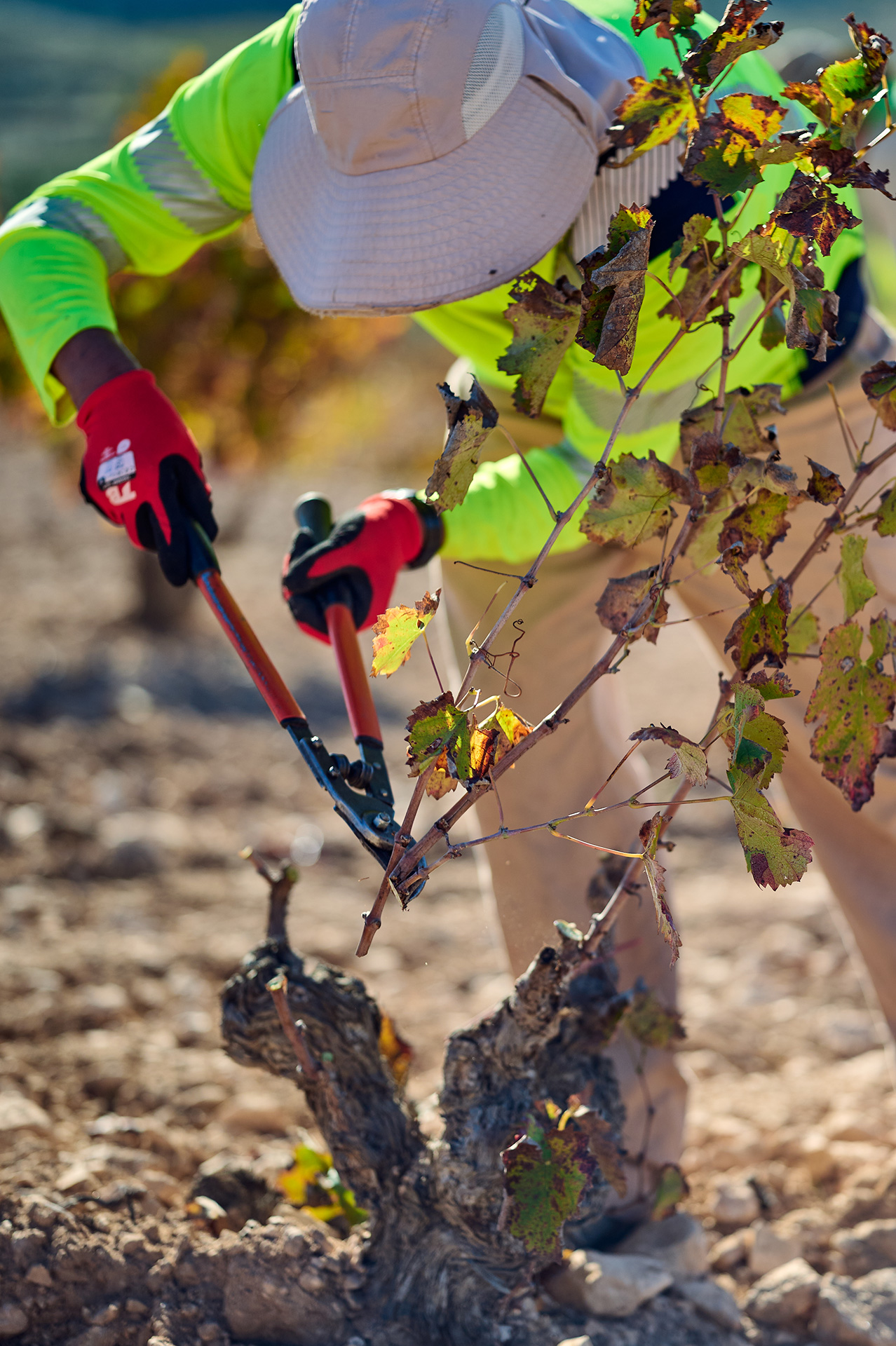
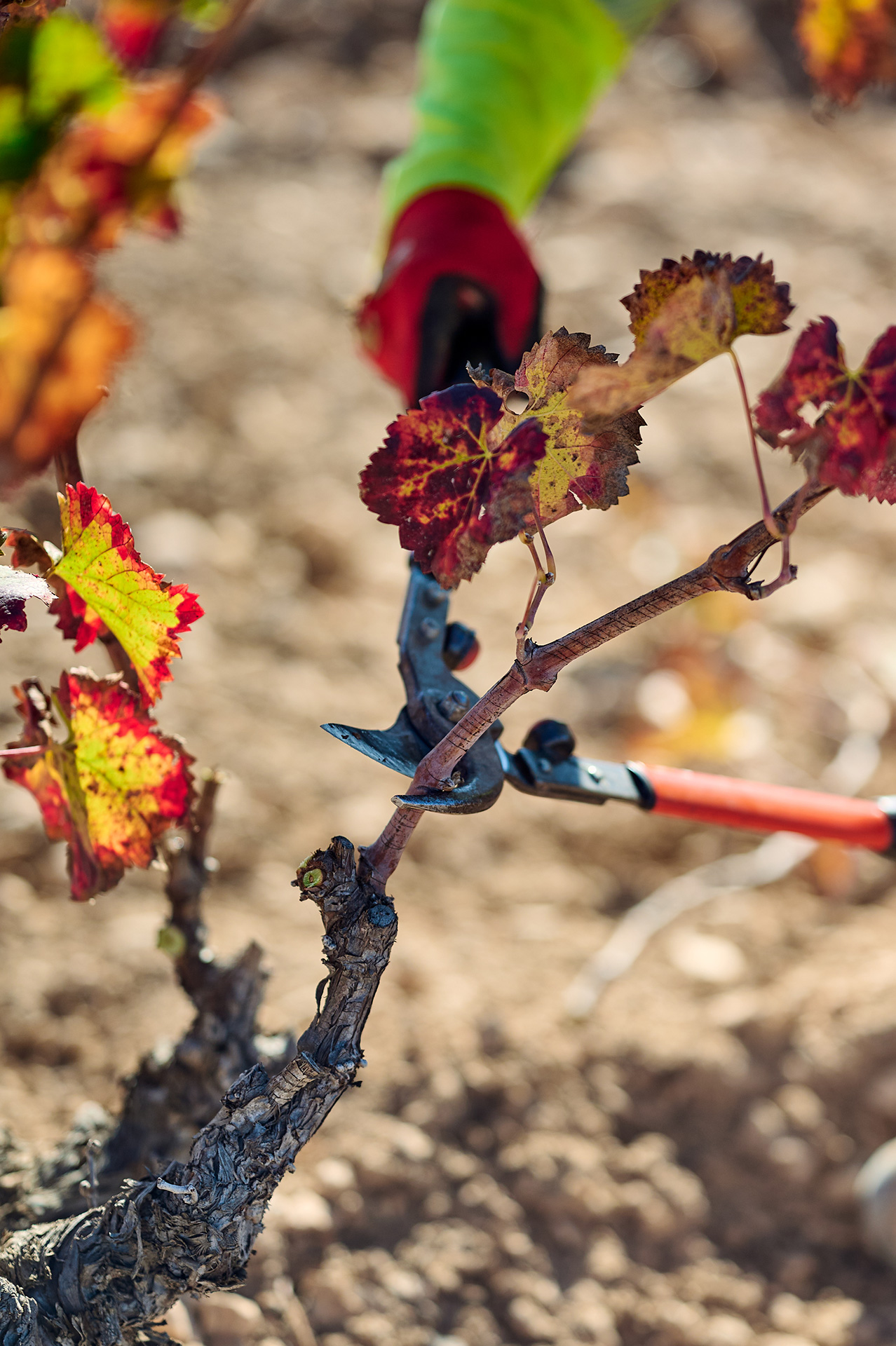
Each cut is made with precision, aiming for a clean wound that can heal properly. The health of the wood is the foundation of the vine’s longevity.
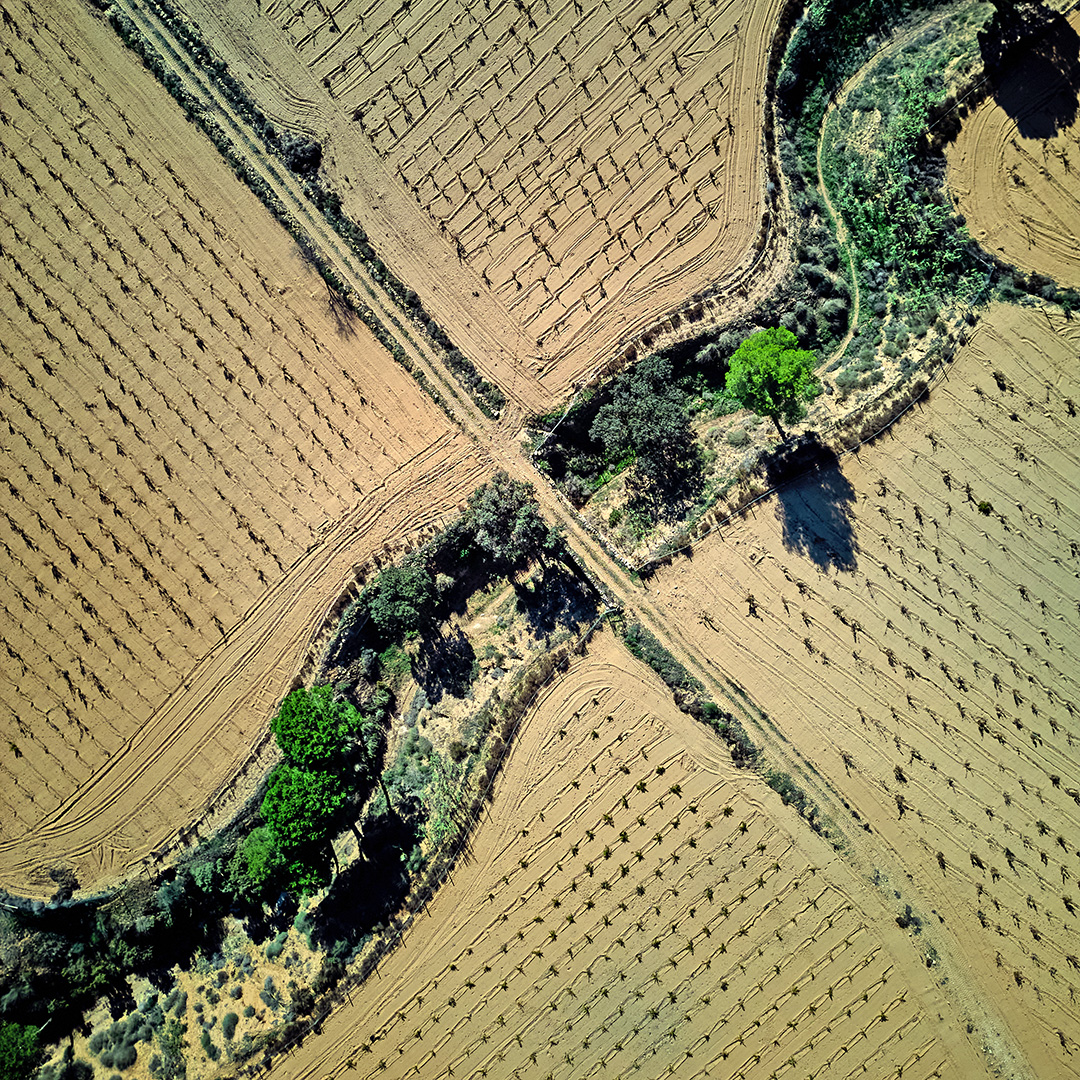
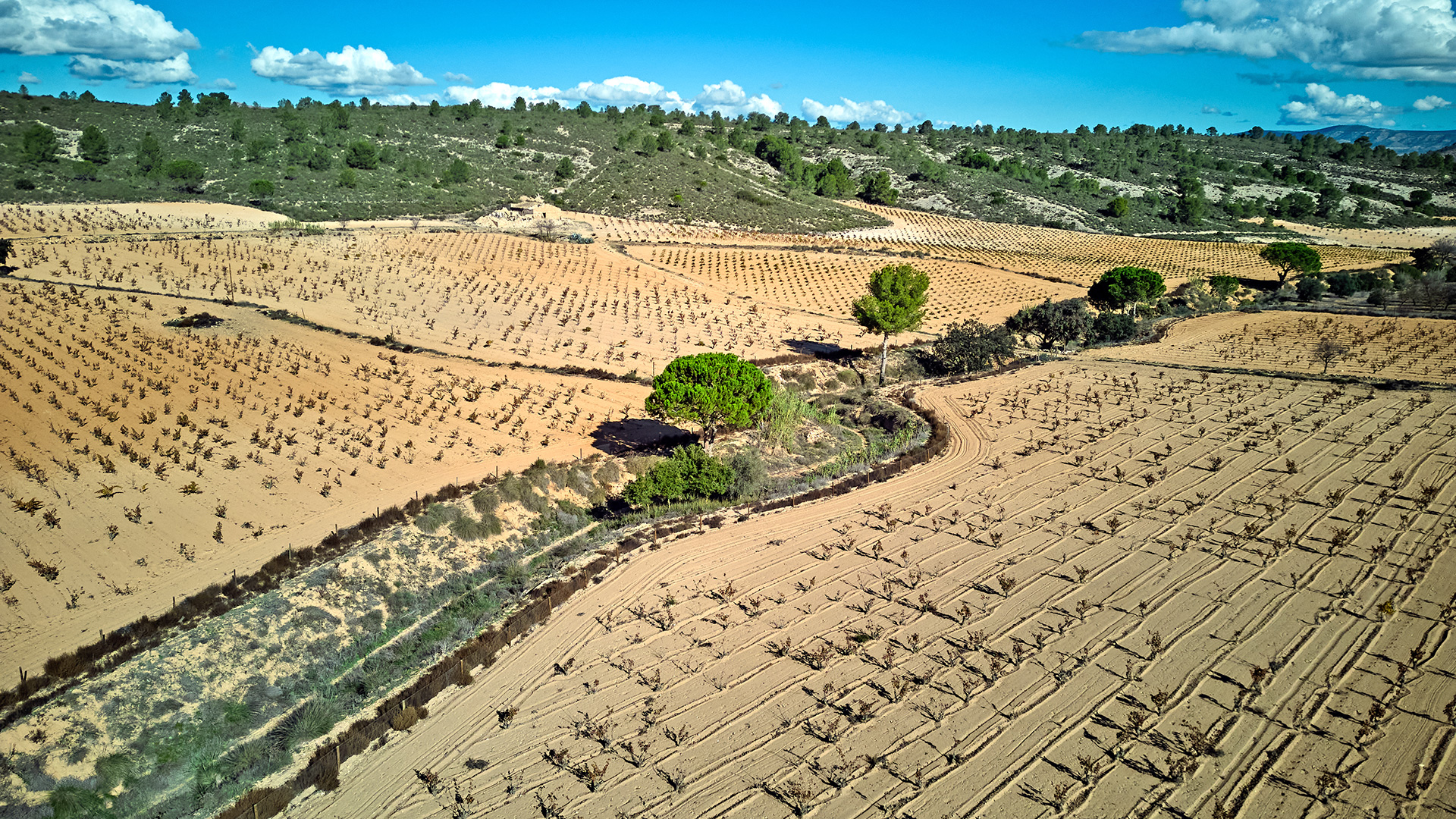
Many of our vineyards have been growing on our estates for decades. Caring for them means thinking long term. It means understanding that wine is not built in a single year, but across generations.
4. Designing Light and Air for the Future
Although the vineyard may appear dormant now, with every pruning cut we are shaping how light will enter in spring and how air will circulate in summer.
A well-formed structure will allow future grape clusters to breathe, stay healthy, and ripen evenly.
Today we see wood. Tomorrow we will see shade and sunlight in balance.
5. Working as a Team, Vine by Vine
Perhaps this is the most important key.
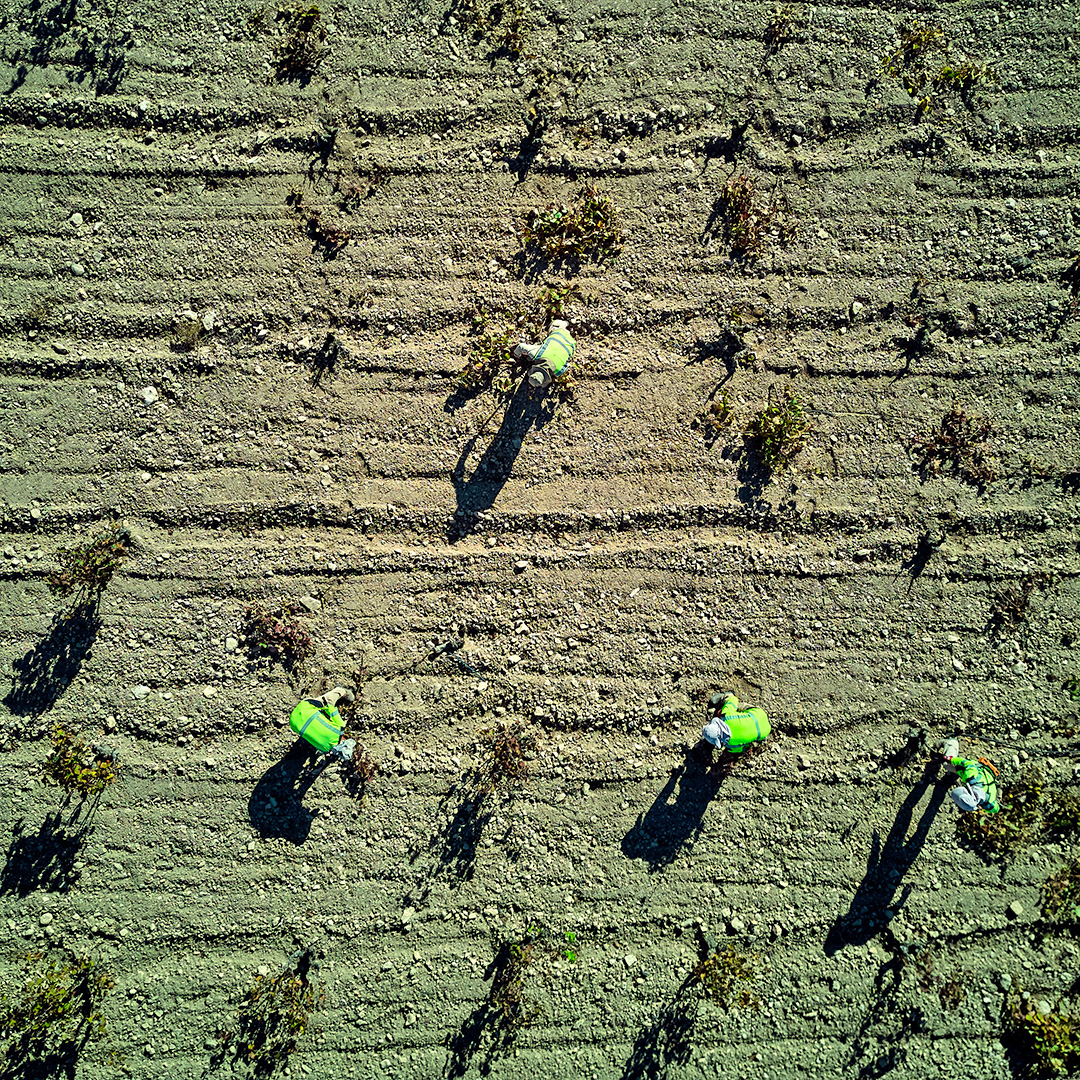
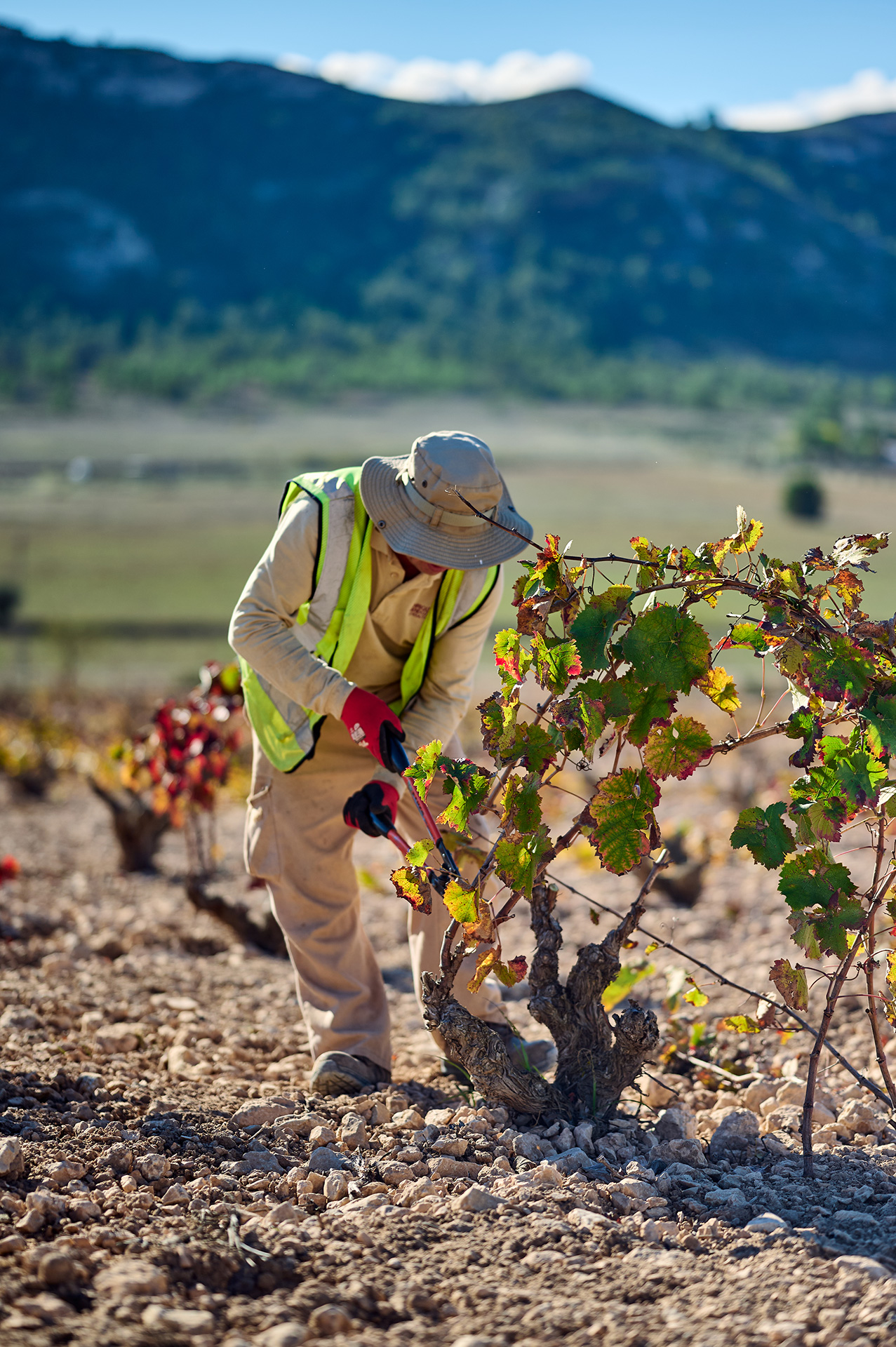
Pruning at Bodegas Enrique Mendoza is deeply human work. Our team moves along the rows with patience, dedicating the necessary time to each plant. There is no automation. There is experience, intuition, and respect.
The hands that hold the pruning shears today are the same ones that accompany the vineyard through its entire cycle. They know every corner of the estate, every orientation, every soil.
The images of winter: boots stepping on frozen ground, breath drawing shapes in the air, and wood cracking as it is cut, telling a story of quiet dedication.
The vineyard teaches us that greatness is born in moments of apparent stillness.
That before the green explosion of spring, there is a stage of reflection and decision.
On our estate, while the landscape rests, we are already preparing the next chapter.
Because harvest does not begin in September.
It begins here. In winter. With every cut.