Winter, a Time for Rest and Reflection
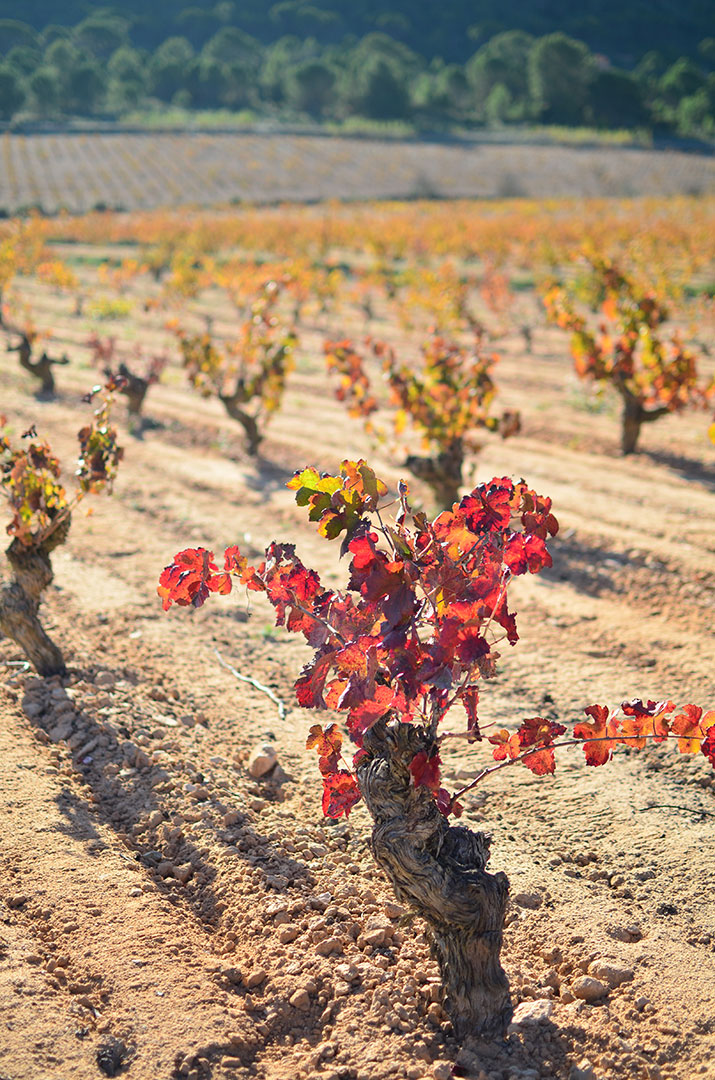
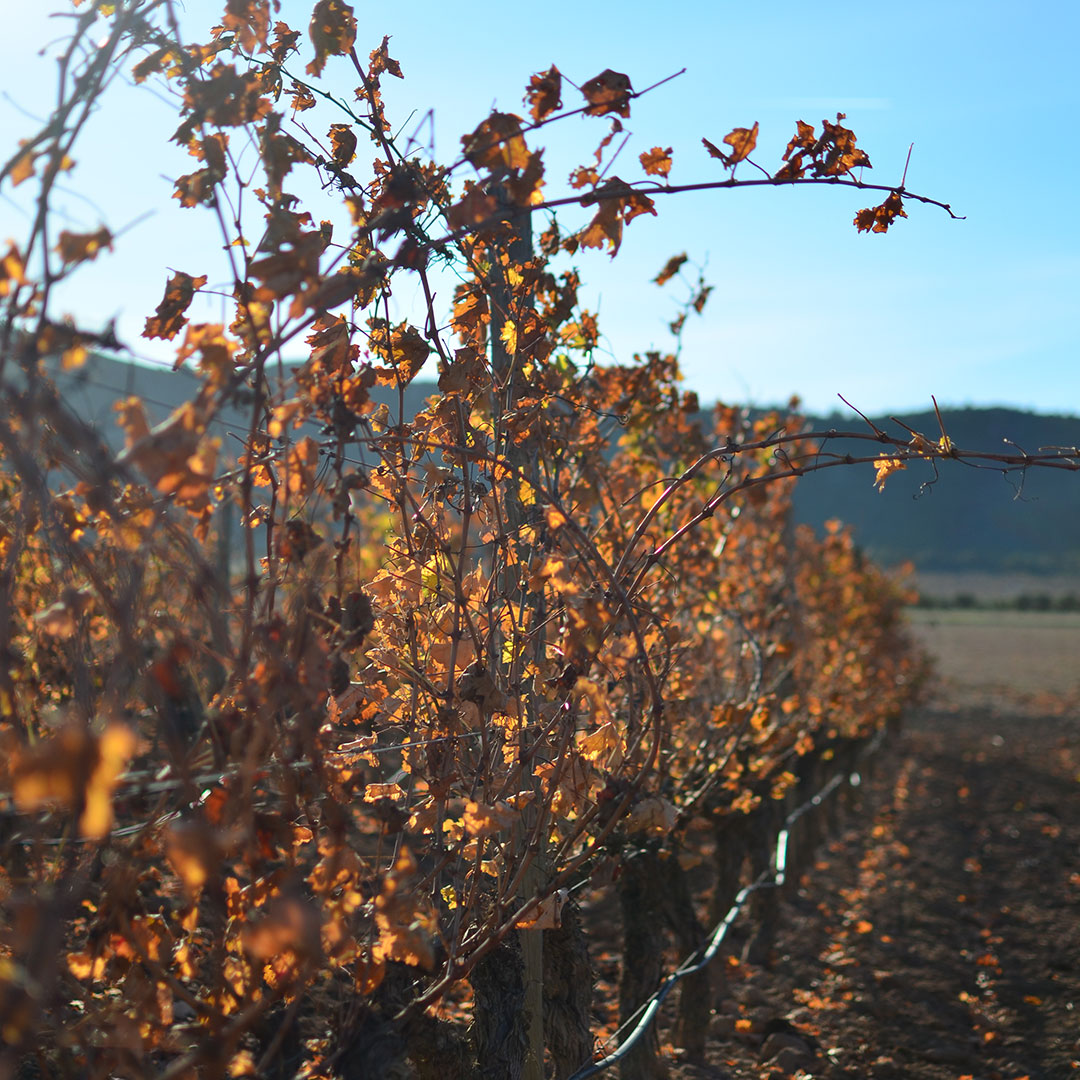
The arrival of winter marks a key moment in the vine’s lifecycle, a period of dormancy or rest that is essential for the plant to regain strength, store energy, and gather the vigor needed to sprout anew in the spring.
This natural process, where the plant halts its visible activity, is much more than a pause: it is a stage of preparation for the coming year. While the vineyard seems to slumber beneath the winter blanket, the activity within the vines does not stop.
At Bodegas Enrique Mendoza, we approach this time with great care, fully aware of the unique conditions of our territory, Alicante, and how they impact our vineyards. Join us to uncover all the secrets and significance of this crucial moment in the vine’s annual cycle.
What Does Winter Dormancy of the Vine Entail?
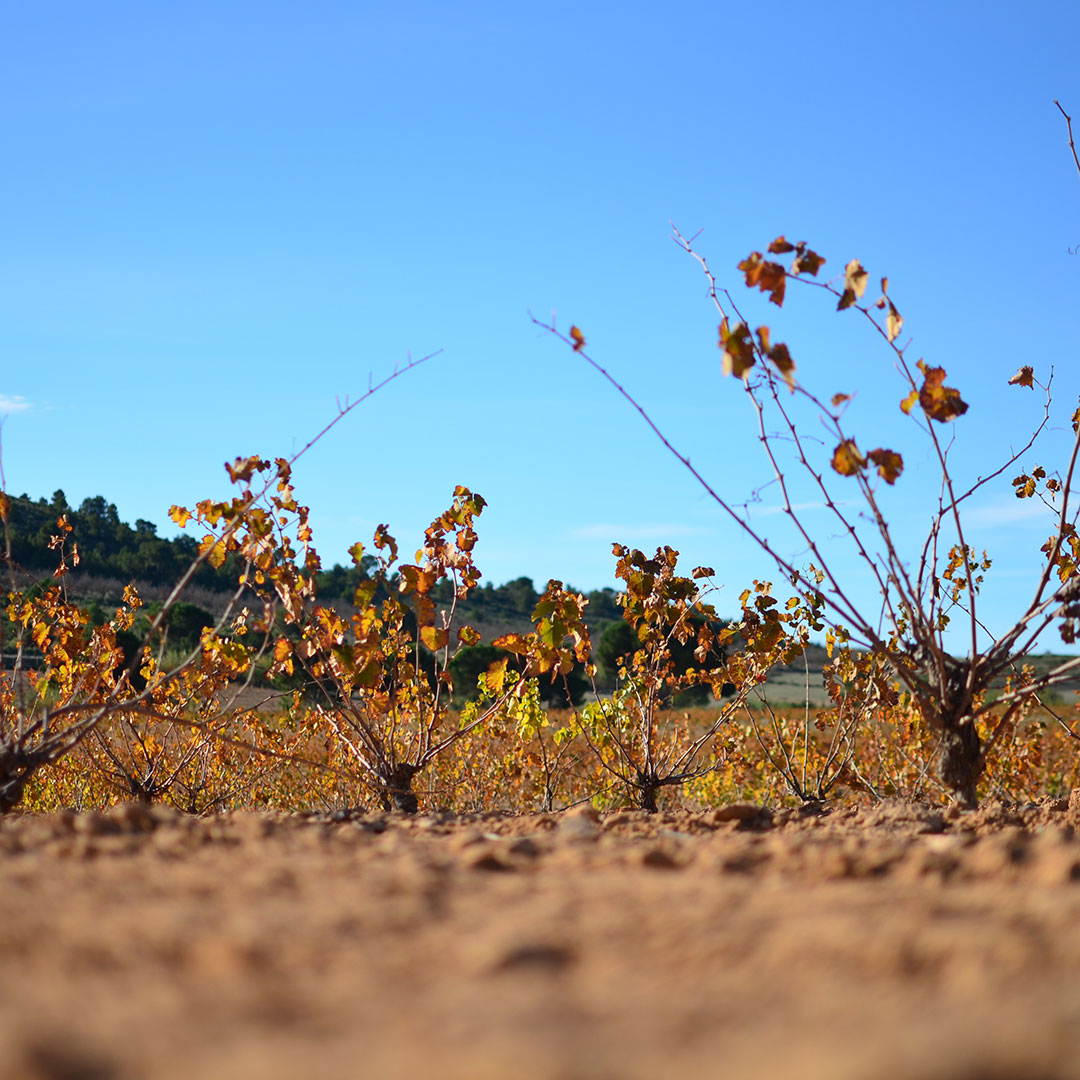
Winter brings the arrival of the new year, and with it, the beginning of the vine’s annual cycle. During this season, the plants enter their “zero state,” a time to rest and recharge to emerge stronger.
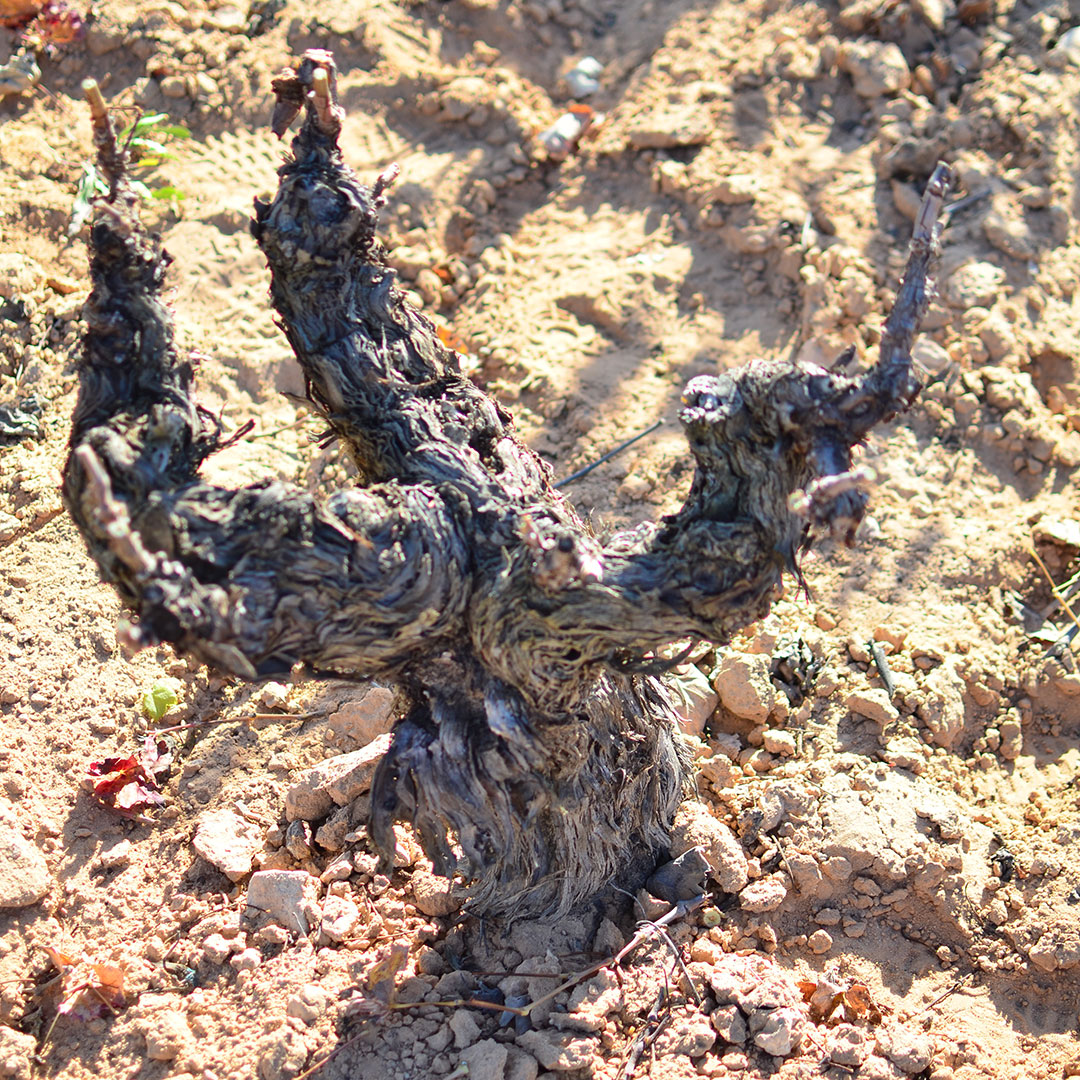
During winter, the vine enters a state of dormancy, triggered by the drop in temperatures and reduced daylight hours. In this phase, the sap ceases to circulate actively, halting the plant’s vegetative activity. Instead, the vine focuses its energy on internal regeneration, strengthening its permanent structures: the trunk and roots.
Although visible activity stops, the root system underground remains active, absorbing nutrients from the soil to store in its reserves, which are crucial for the spring bud burst.
The Particularities of the Mediterranean Climate and Its Influence
In Alicante, where the warm climate is combined with low rainfall, this dormancy period takes on distinct characteristics that affect the rest of our vineyards and their preparation for the next cycle.
One of the biggest challenges of the Mediterranean climate is the lack of rainfall, which presents numerous hurdles for vineyard management. However, Alicante’s climatic conditions also offer advantages that contribute to the production of sustainable, high-quality wines.
On one hand, the region’s mild winter temperatures, which rarely drop below 0ºC, minimize the risk of frost damage. While this may result in a less profound dormancy for the vines, it also ensures a smoother transition into spring and reduces thermal stress on the plants.
But Alicante’s vineyards are most notably characterized by their water stress, which plays a key role in grape quality. Although it might seem like a disadvantage, this phenomenon, caused by limited rainfall, strengthens the vines, forcing them to extend their roots deeper in search of water. This contributes to the production of more concentrated fruit and grapes that are richer in aromatic compounds.
In native varieties like Monastrell, perfectly adapted to the Mediterranean climate, water stress enhances its unique character and natural resilience.

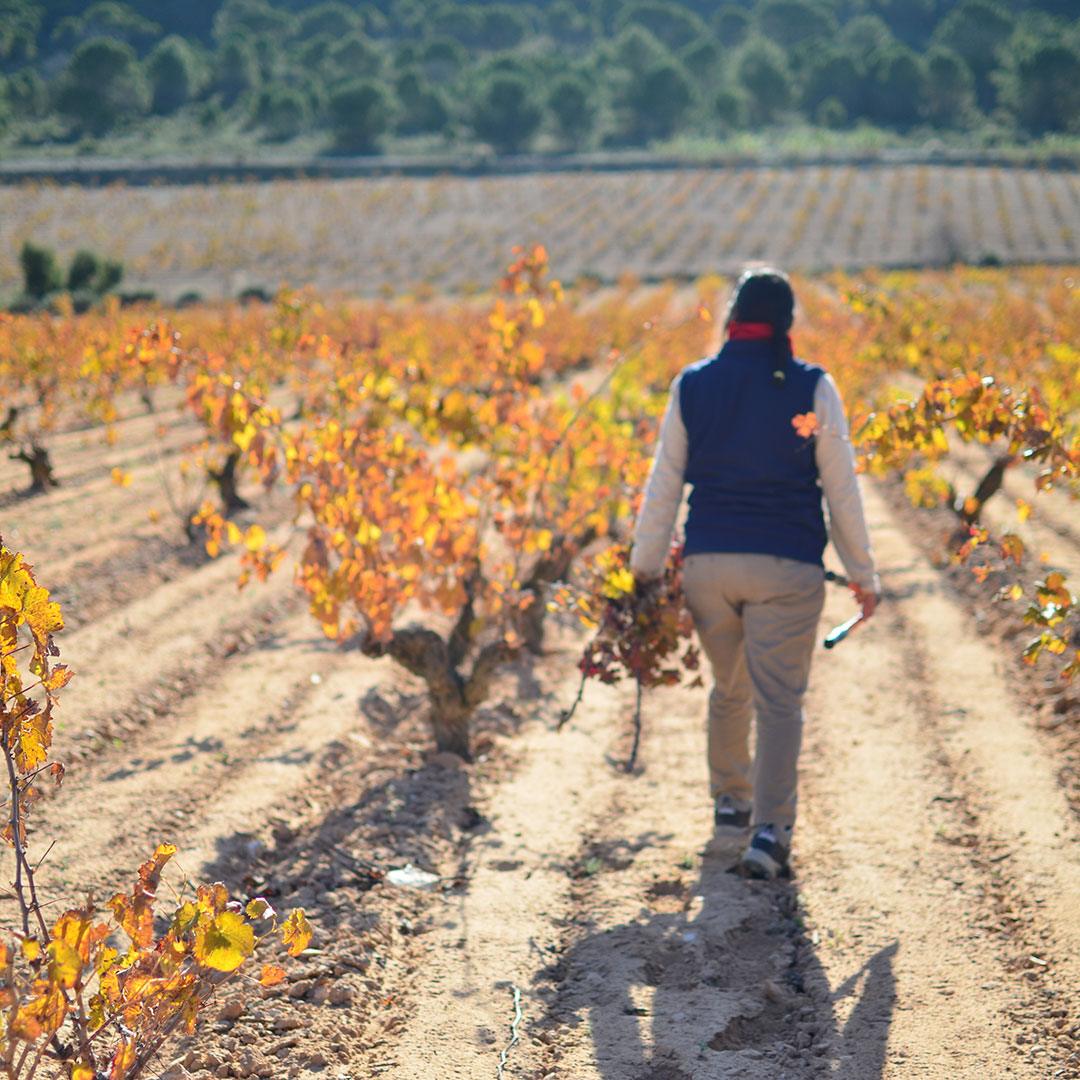
Strategic Decisions: Preparing the Vineyard for the Future
Winter is also the time to make strategic decisions that will impact the vineyard throughout the year. It’s the moment to analyze the vines, observe their performance and changes over the past year, and set new goals for the coming months:
- Planning irrigation strategies: In a region with limited water resources like Alicante, optimizing water usage is crucial. One way to manage water stress in the vineyard is to implement efficient irrigation strategies.
- Promoting resilient varieties: Monastrell, our native variety, stands out for its adaptation to the Mediterranean climate and its ability to thrive under water stress conditions. At Bodegas Enrique Mendoza, we work to highlight the value of this variety, harness its resilience, and craft truly special and authentic wines with it.
- Incorporating sustainable innovations: Numerous solutions aim to ensure responsible and environmentally friendly cultivation, such as using technologies that enhance vineyard management.
Vineyard Work Doesn’t Stop: The Importance of Pruning
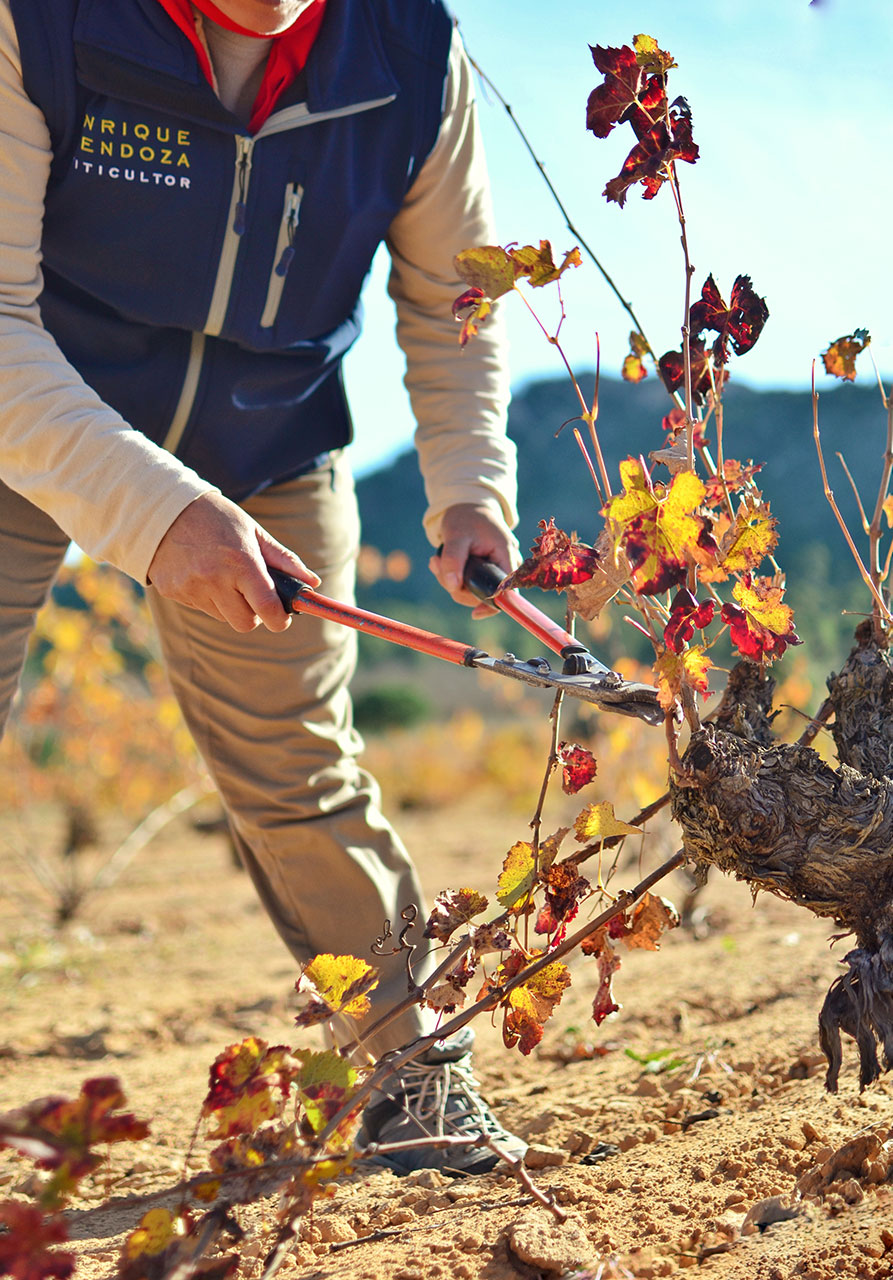
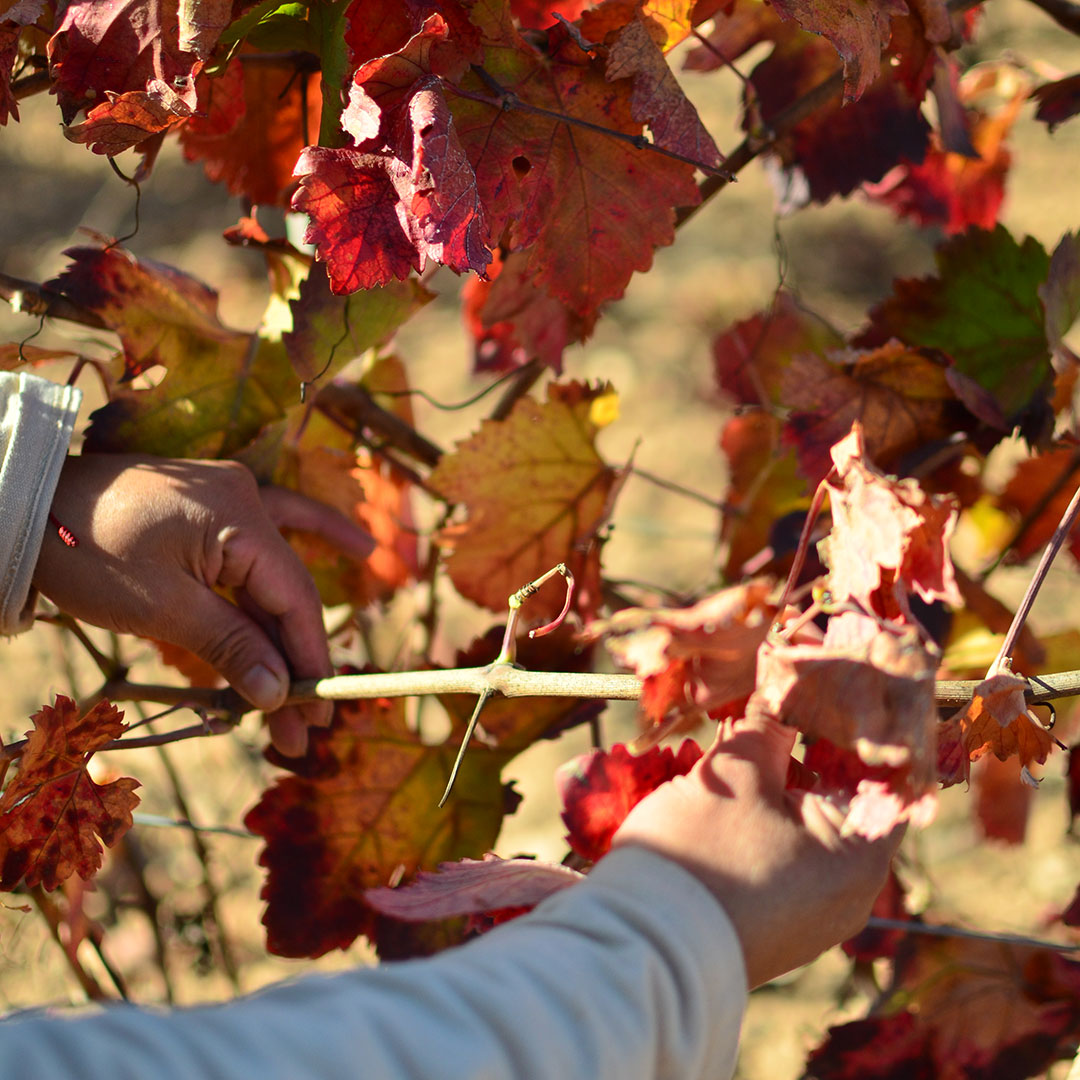
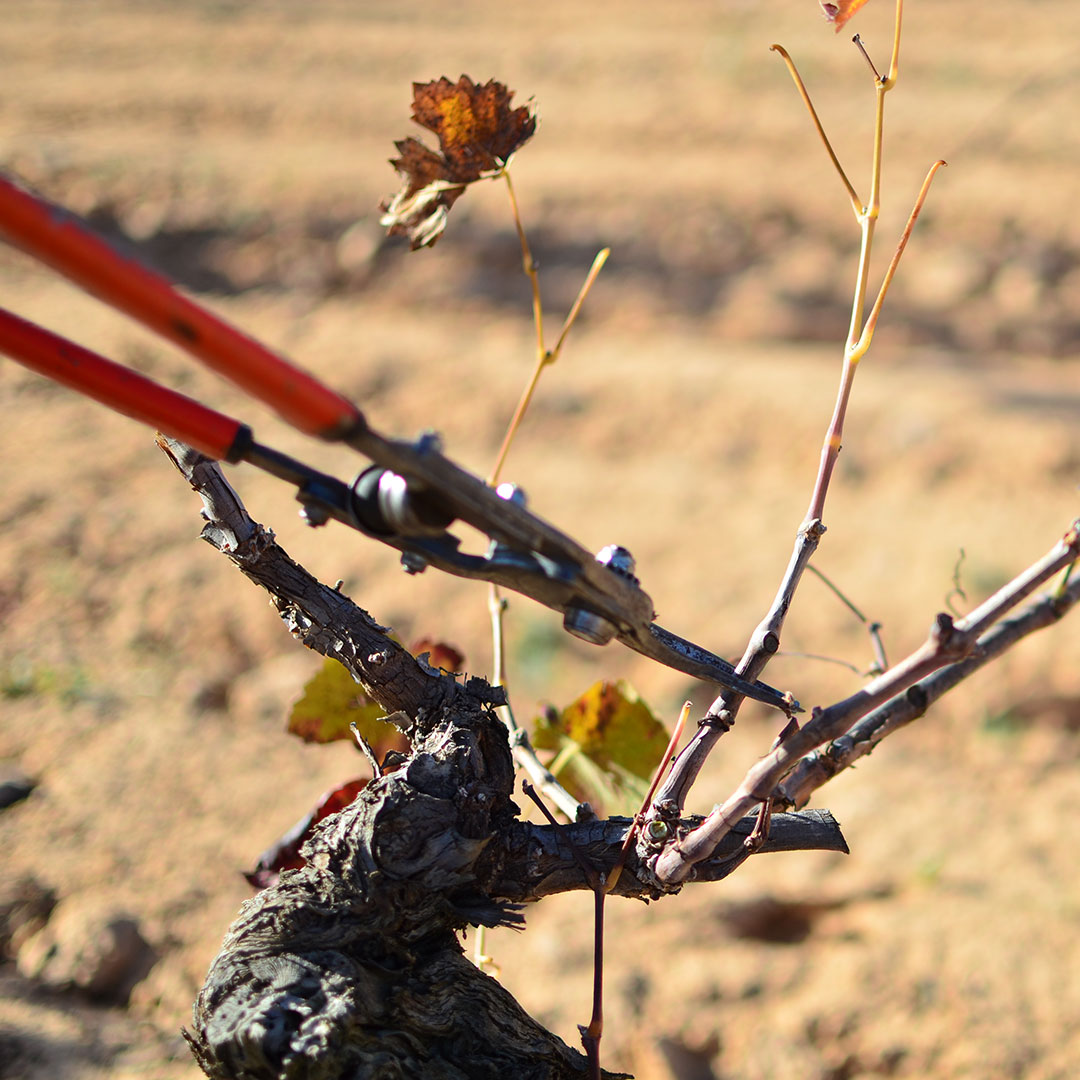
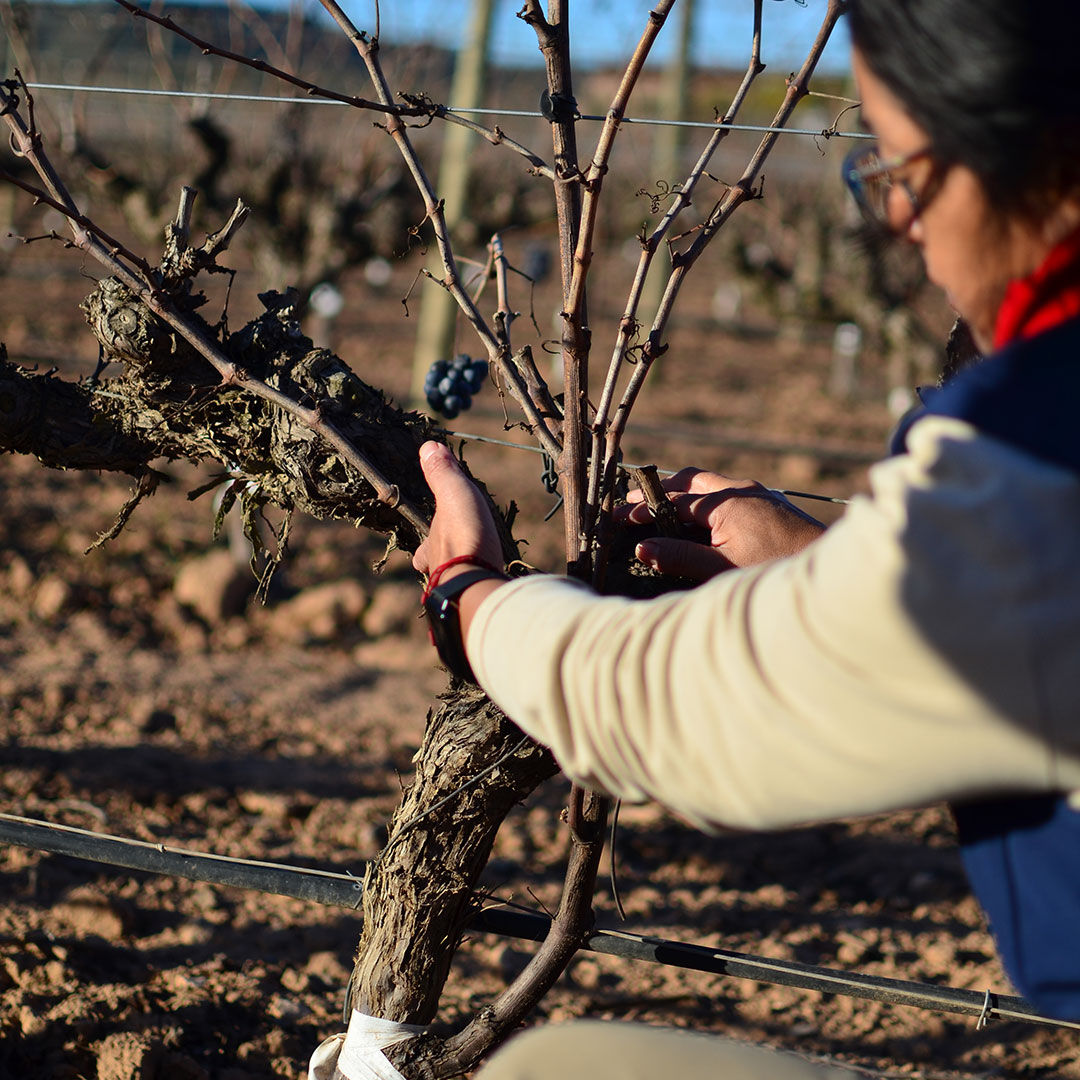
Winter is also the time to carry out one of the most important strategic decisions: pruning. Although the vine rests during winter, work in the vineyard continues. This is when our team, with skilled hands and pruning shears in hand, performs the pruning of our vineyards.
Pruning is an essential task to guide the growth of the vines and ensure better yields, as well as balanced and high-quality production. Winter is the ideal time for this process. The green branches of the vine have turned to wood, the sap is no longer actively circulating, and the cold temperatures promote better healing of the cuts on the plant, reducing the risk of infections.
During this process, we remove the parts of the vine that have completed their cycle, leaving behind the necessary buds for the coming year, which will give rise to new shoots and eventually the future grape clusters.
At Bodegas Enrique Mendoza, we take the time necessary for each vine during pruning. This careful and time-intensive task allows us to achieve better air circulation and sunlight exposure for the clusters that will grow in a few months.
Winter reminds us that even in moments of apparent stillness, nature continues its work. The vine, with its adaptability and regenerative capacity, teaches us the importance of cycles, of respecting rest periods, and of preparing for future challenges.
At Bodegas Enrique Mendoza, this period is also a time for reflection: we evaluate the past year, learn from every experience, and prepare with renewed energy for what’s ahead. Winter is, after all, a time of adaptation and resilience—qualities we share with our vines, guiding our passion for creating unique, vibrant wines.